DIODE LASER HAIR REMOVAL
A Smarter Way to Manage Unwanted Hair.
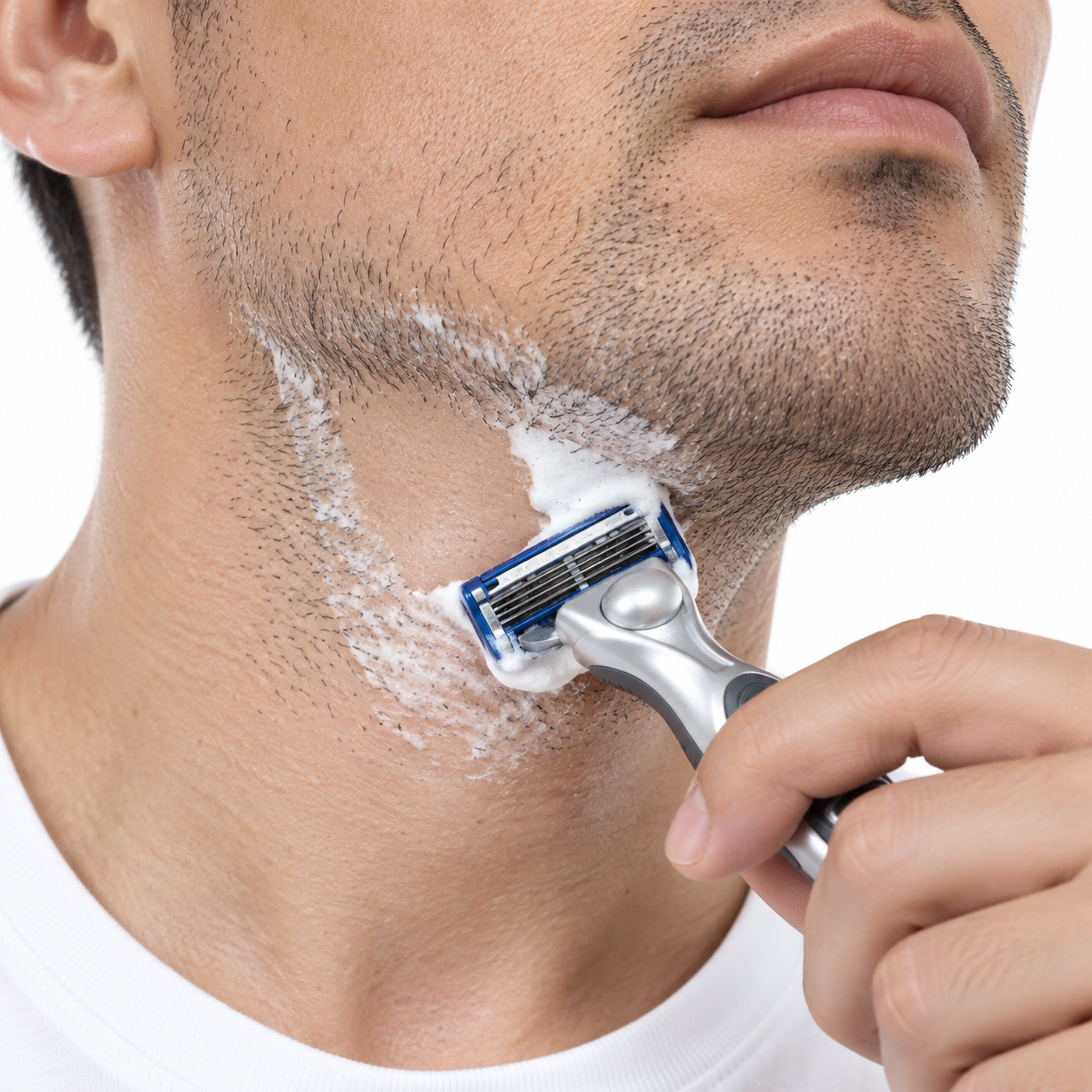
Shaving can leave stubble within days.
Waxing needs to be repeated.
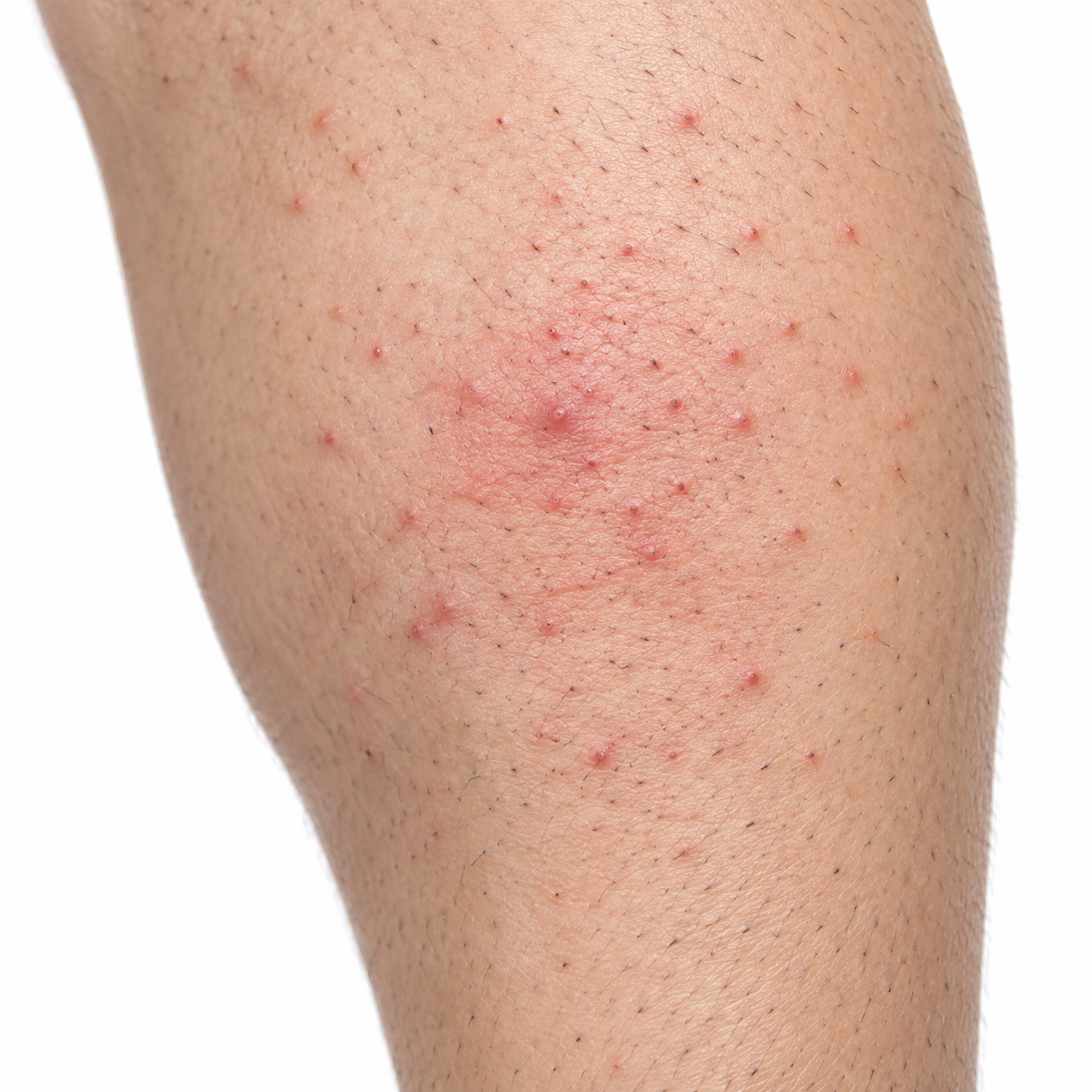
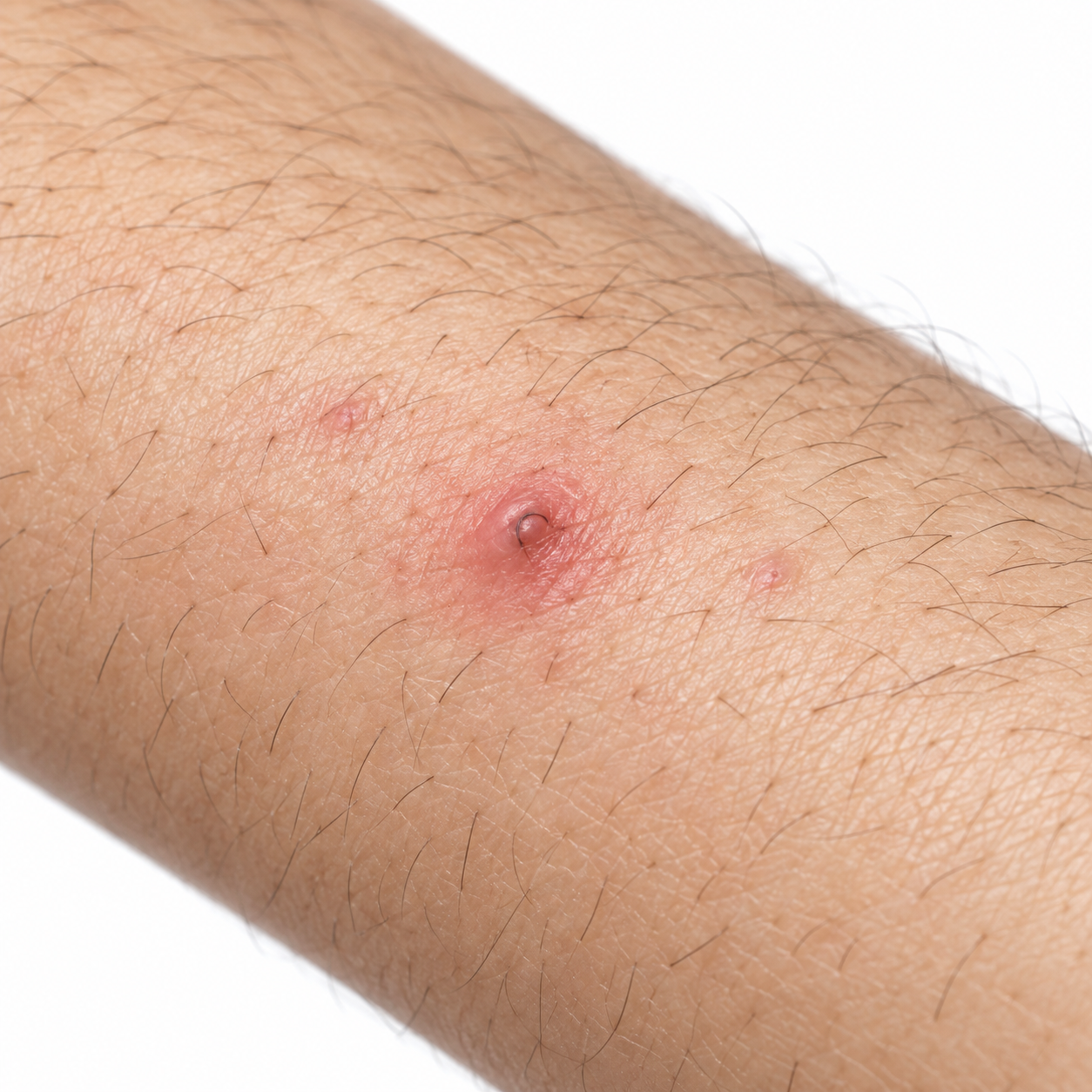
Plucking can be time-consuming and may contribute to irritation or ingrown hairs.
Laser hair removal works differently.
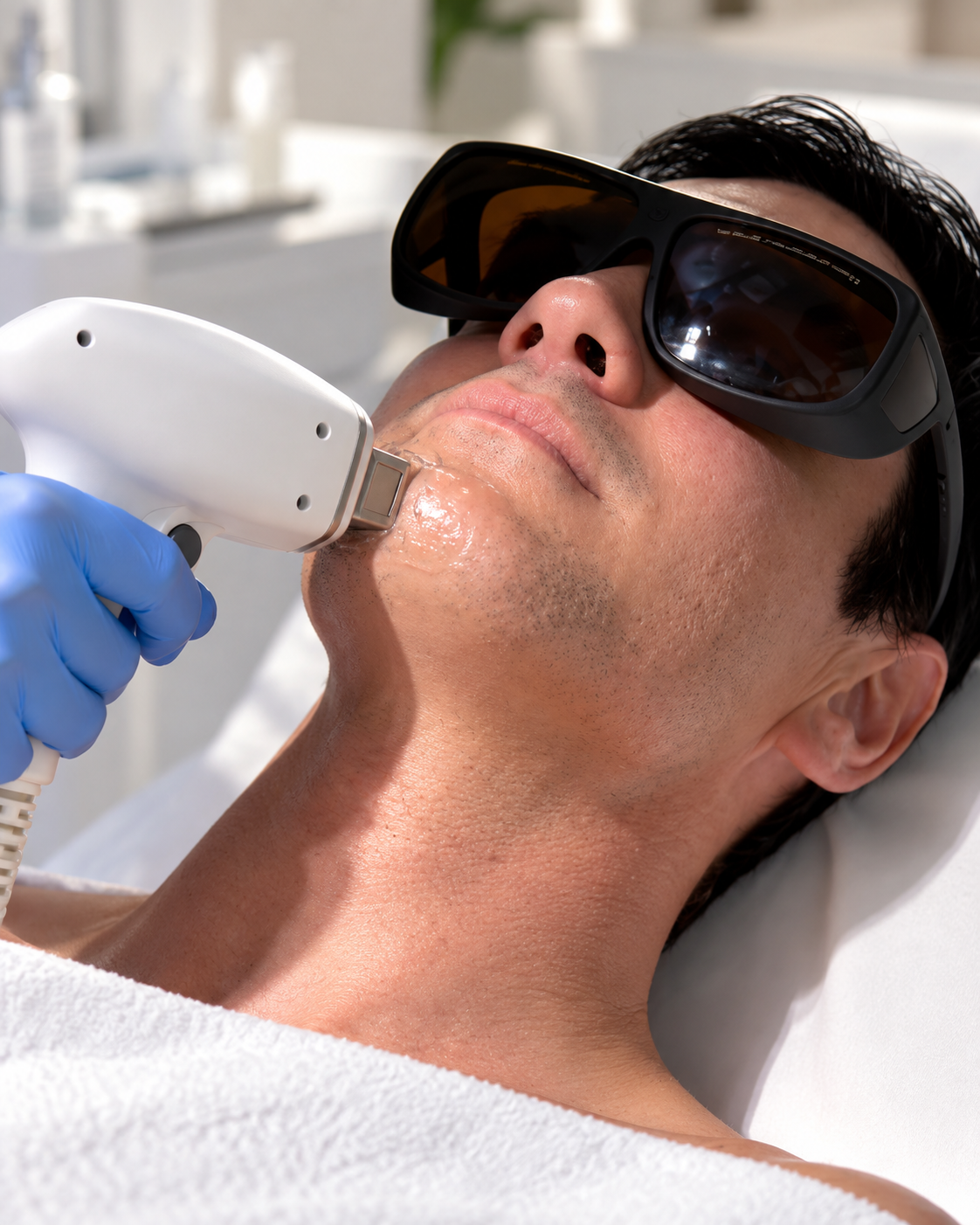
Instead of removing only the visible portion of the hair, laser energy is absorbed by melanin within the hair, delivering heat to the follicular structure responsible for hair growth.
With repeated treatments, regrowth may become:
- Less dense
- Finer
- Slower
- Softer
- Less noticeable
Laser hair removal is used on many areas of the face and body, including the underarms, bikini region, back, chest, face and legs.
Explore Diode Laser Hair Removal
- What Is Diode Laser Hair Removal?
- How Does Diode Laser Hair Removal Work?
- Who Is Diode Laser Suitable For?
- What Are the Benefits of Diode Laser Hair Removal?
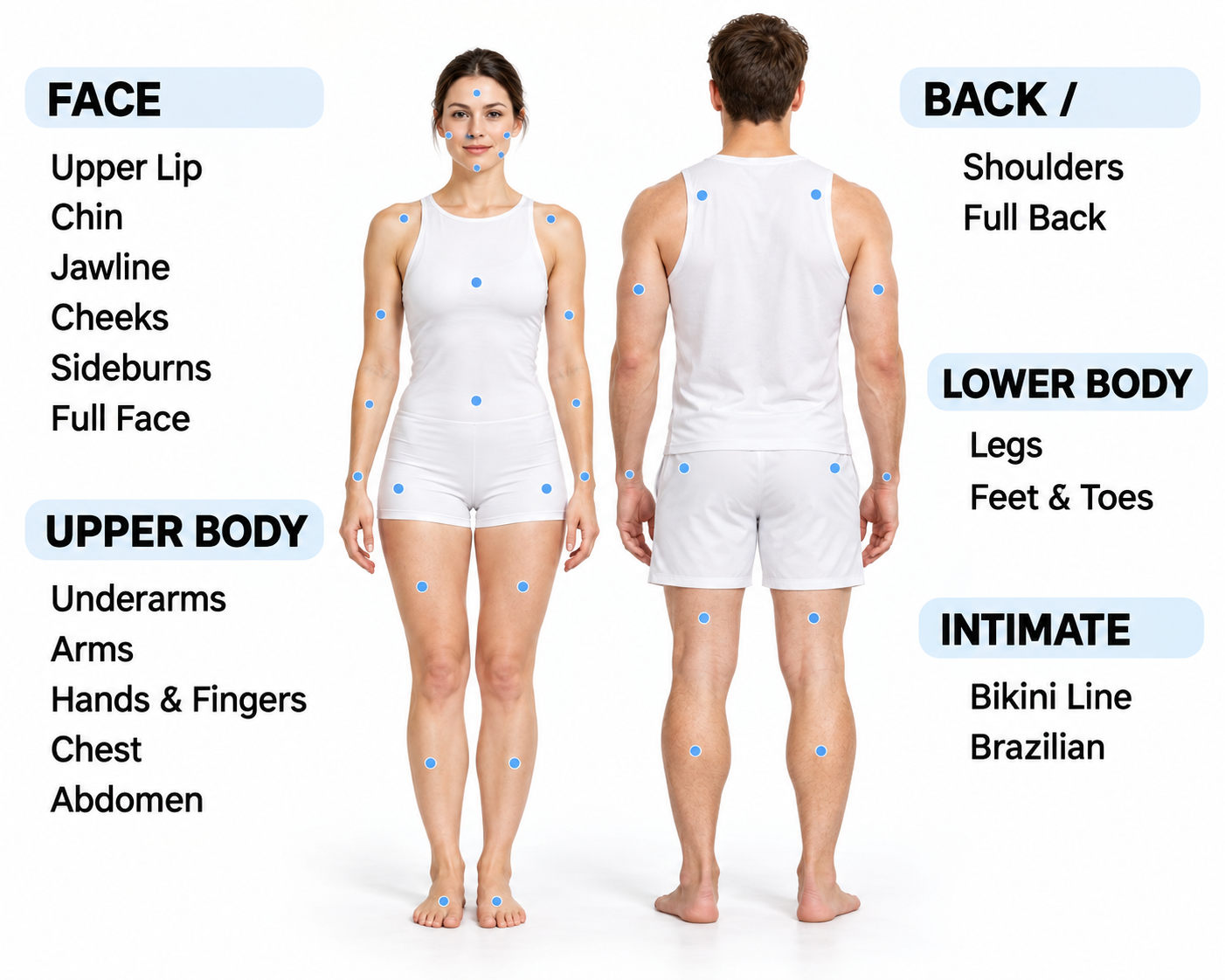
- Which Areas Can Be Treated?
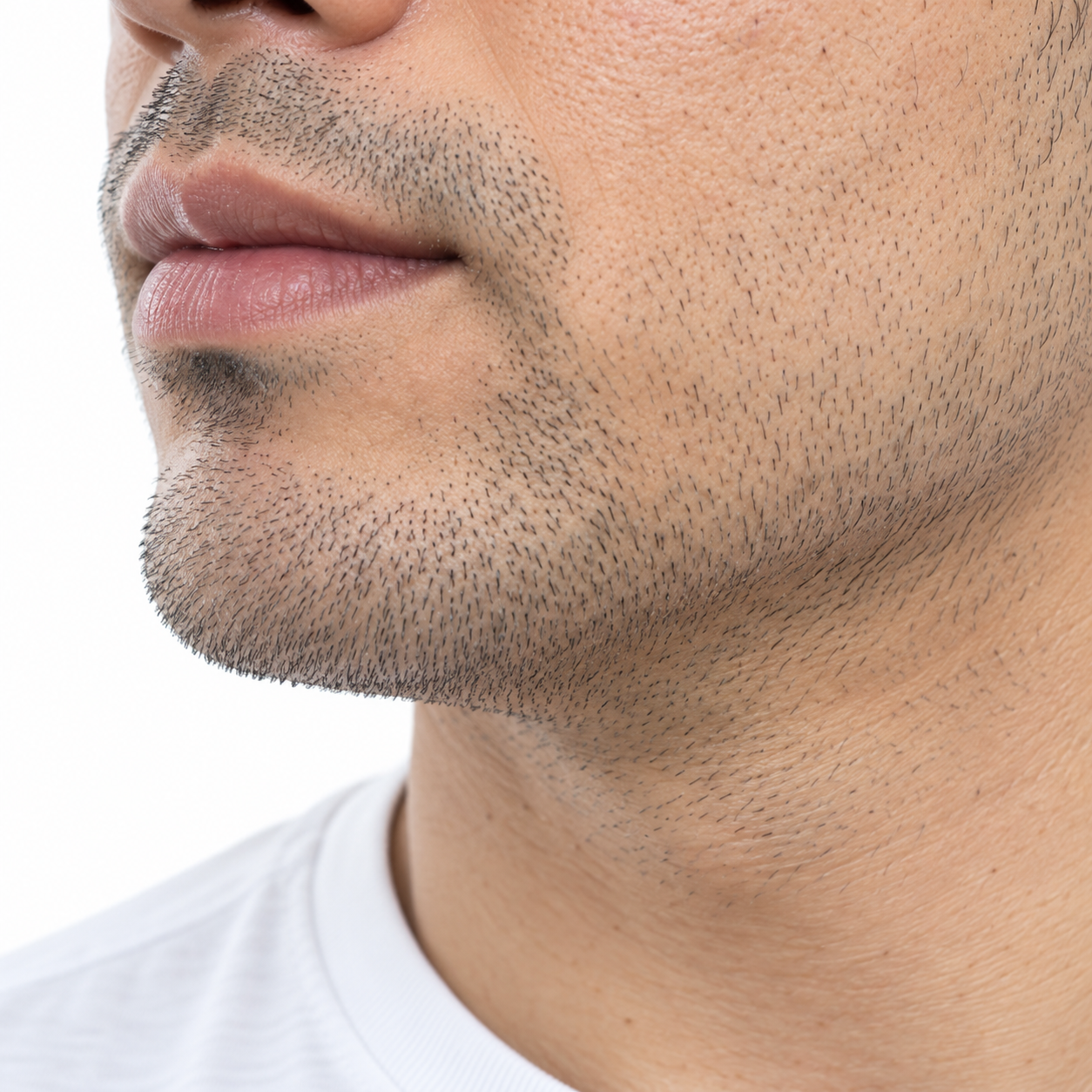
- Diode Laser for Moustache & Beard
- Diode Laser for Facial Hair
- Diode Laser for Underarms
- Diode Laser for Arms, Hands & Fingers
- Diode Laser for Legs, Feet & Toes
- Brazilian & Bikini Laser Hair Removal
- Diode Laser for the Back
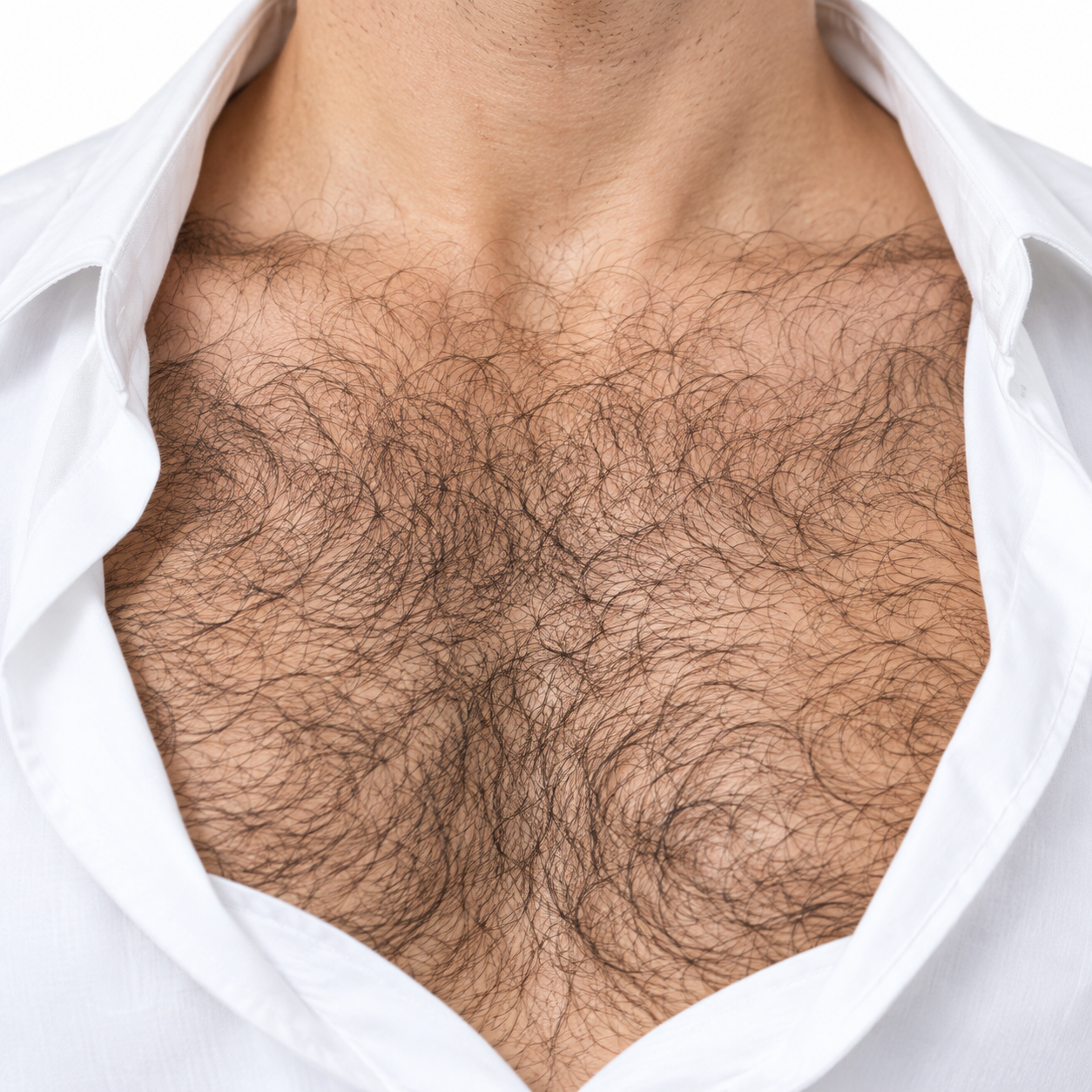
- Diode Laser for Chest & Abdomen
- When Will You See Results?
- How Many Diode Laser Sessions Do You Need?
- Is Diode Laser Painful?
- Diode Laser vs. Shaving & Waxing
- Diode Laser vs. IPL & Other Hair-Removal Lasers
- How to Prepare Before Diode Laser
- Diode Laser Aftercare
- Why Choose Diode Laser at LIV Clinic?
- Frequently Asked Questions
WHAT IS DIODE LASER?
A diode laser is a true laser technology commonly used for long-term reduction of unwanted facial and body hair.
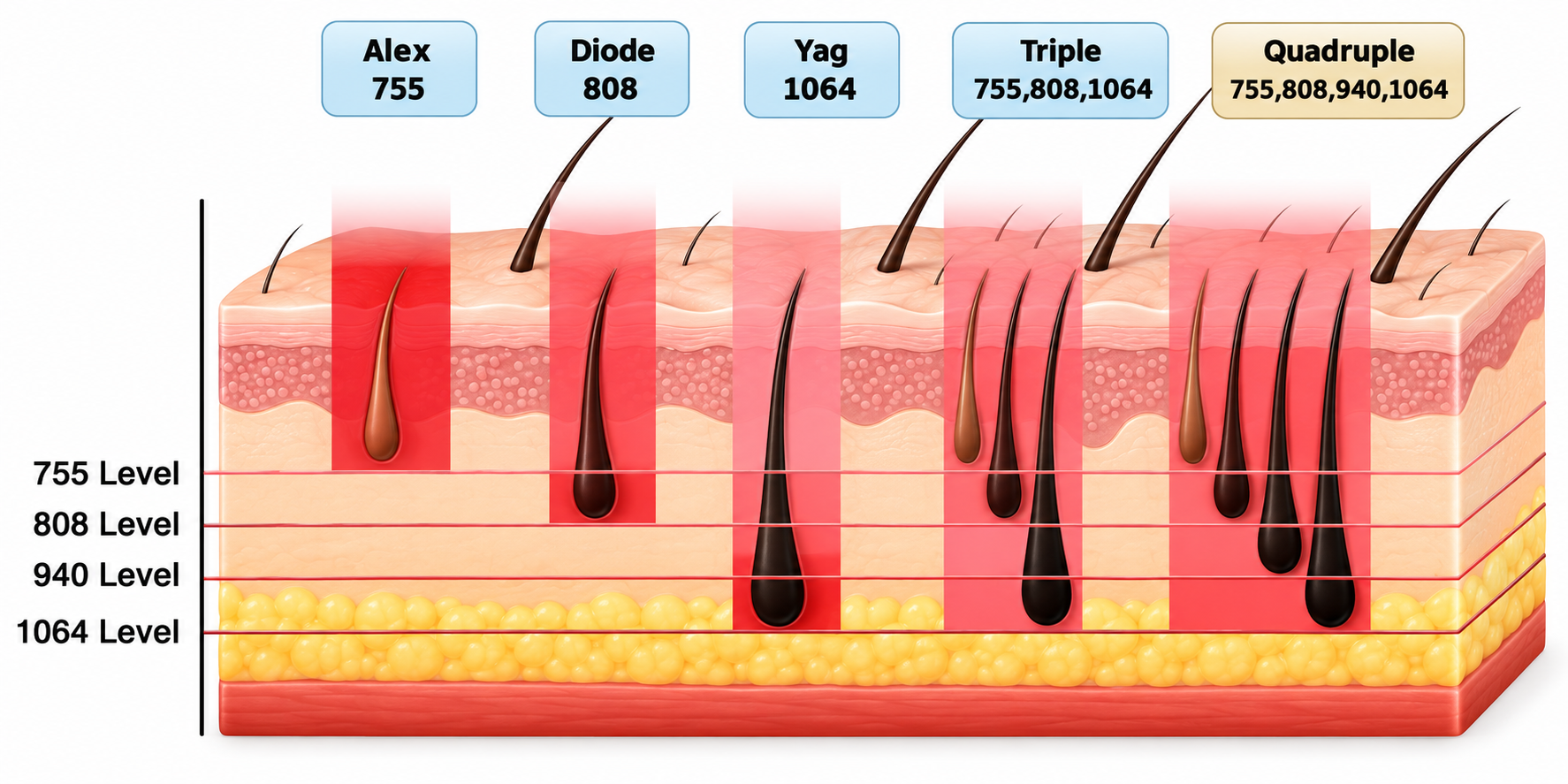
Many diode hair-removal systems operate around the near-infrared 800–810 nm range, although the exact wavelength and specifications vary by device. Clinical references commonly describe 810 nm diode systems for hair reduction.
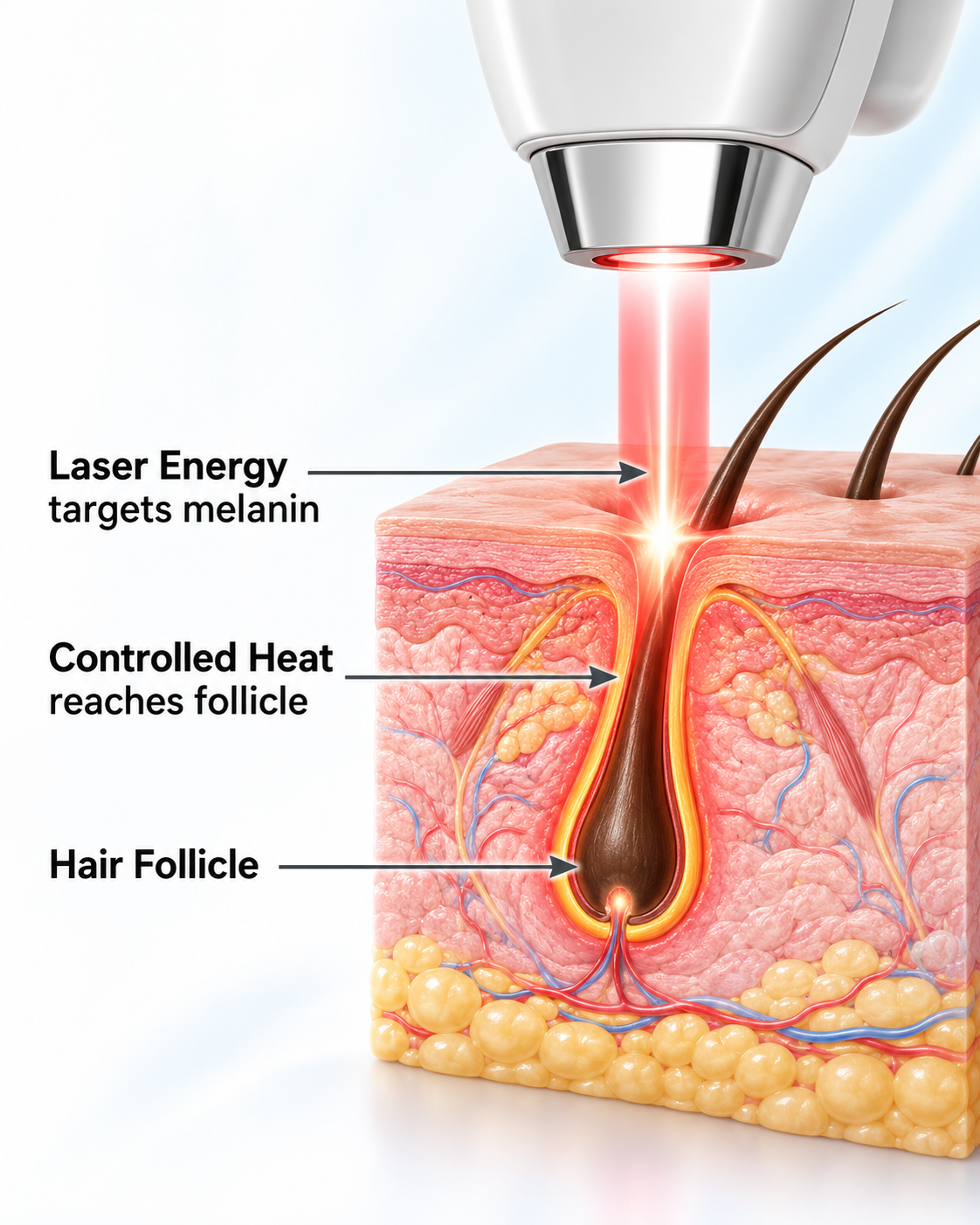
The laser targets melanin — the pigment within the hair.
That light energy is converted into heat inside
the hair follicle, helping impair its ability
to continue producing the same type of hair.
What Happens Over Multiple Sessions?
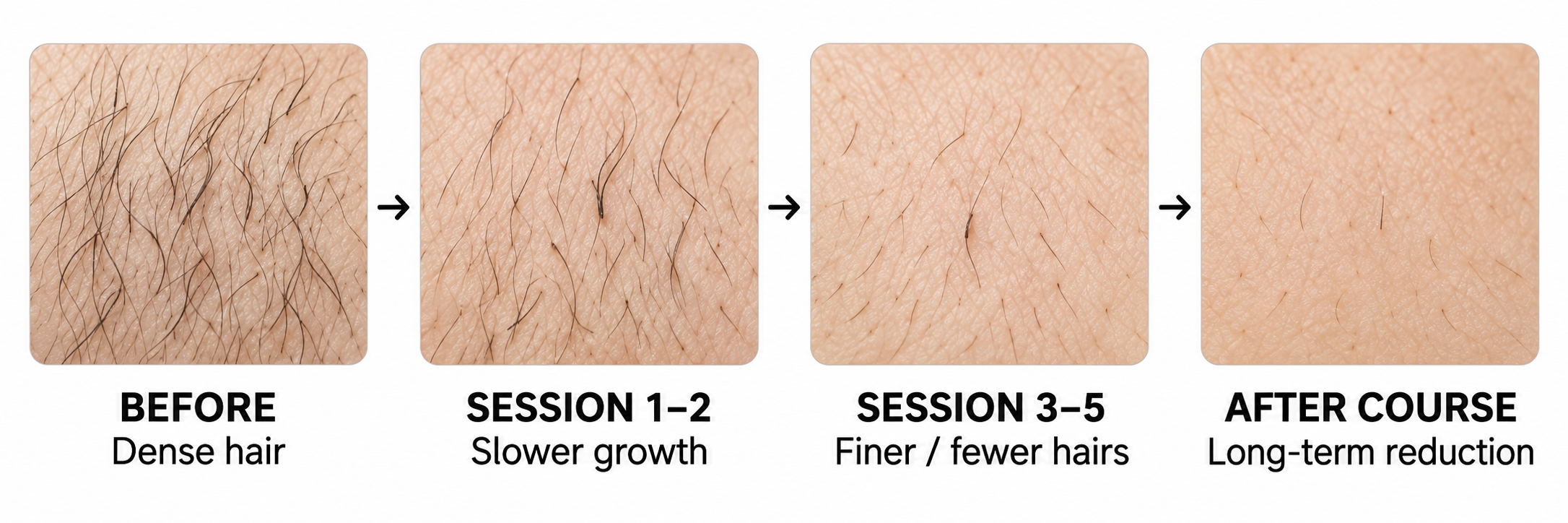
Hair may gradually grow back:
Slower → Finer → Less Dense → Less Noticeable
This is why laser hair removal should be
understood as a progressive treatment course,
rather than a one-time treatment.
HOW DOES DIODE LASER WORK?
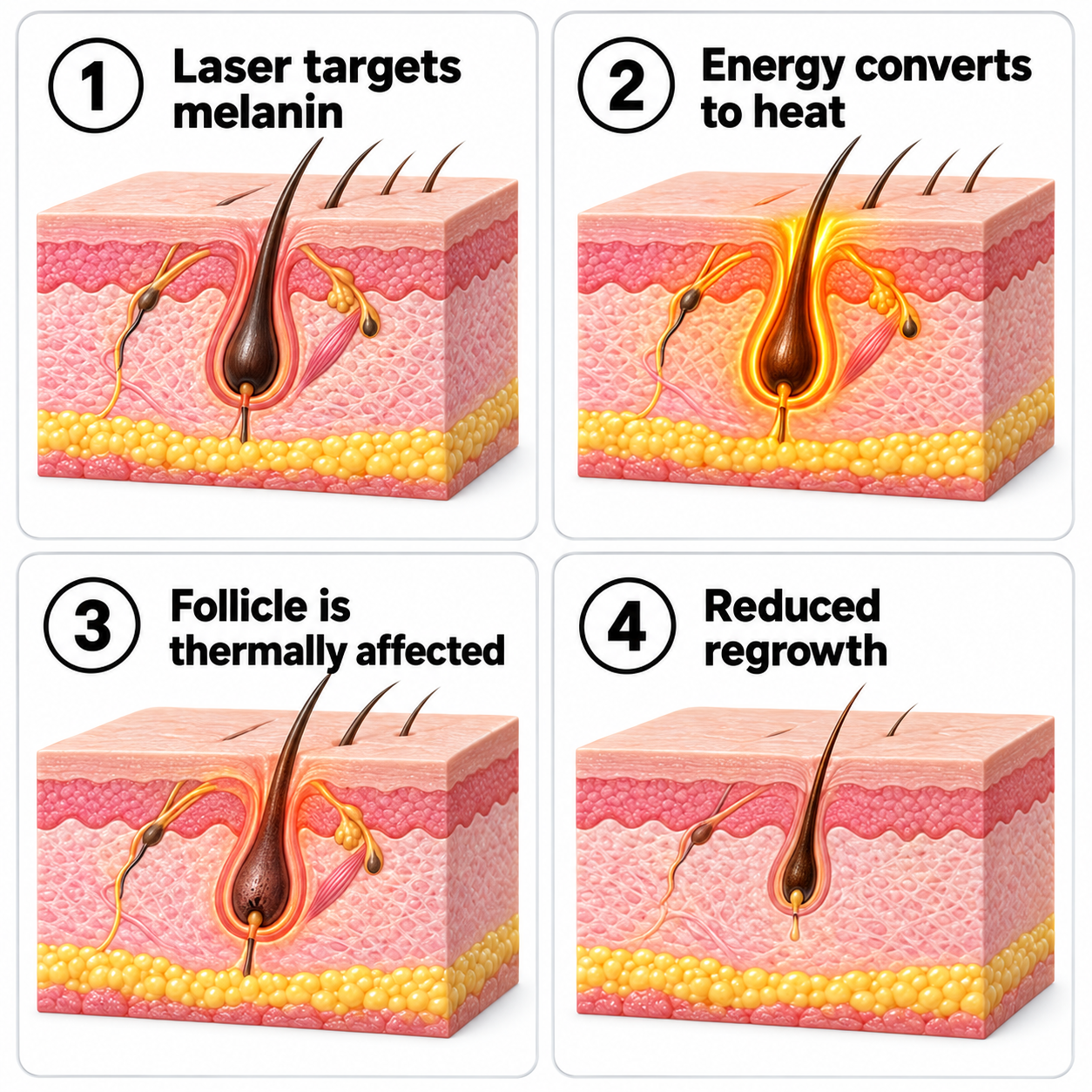
Diode laser hair removal is based on the principle of selective photothermolysis — using light energy to selectively target pigment within the hair while limiting unnecessary thermal exposure to surrounding tissue.
STEP 1 — Laser Energy Targets Melanin
The laser emits light that is absorbed by pigment within the hair.
STEP 2 — Light Converts to Heat
Energy travels down the hair structure and creates controlled heat within the follicle.
STEP 3 — The Follicle Is Thermally Affected
This heat damages structures involved in future hair growth.
STEP 4 — Hair Growth Gradually Reduces
After repeated treatments, fewer hairs may regrow and remaining hairs may become finer and less noticeable.
Why Do You Need Multiple Sessions?
Hair grows in different stages.
Laser treatment is particularly effective when hair is in its active growth, or anagen, phase. Because not every follicle is in this stage at the same time, repeated treatments are necessary.
WHO IS DIODE LASER FOR?
Diode laser may be considered if you:
- Have unwanted facial or body hair
- Shave frequently
- Regularly wax or pluck hair
- Experience visible stubble
- Want less frequent hair-removal maintenance
- Experience razor irritation
- Are prone to ingrown hairs
- Want to reduce dense body hair
- Want cleaner-looking facial or beard lines
- Prefer longer-lasting reduction compared with shaving
Does Skin Tone Matter?
Laser settings should be selected according to skin tone, hair color and hair thickness.
Modern hair-removal lasers can be used across a wide range of skin tones when appropriate equipment and settings are used by an experienced provider.
WHAT ARE THE BENEFITS OF DIODE LASER HAIR REMOVAL?
Long-Term Hair Reduction
Repeated treatment can progressively reduce the number and density of hairs that regrow.
Finer Regrowth
Remaining hair may become thinner and less noticeable.
Less Frequent Shaving
Reduced regrowth can reduce how frequently you need to shave.
Smoother-Looking Skin
Less visible stubble can help treated areas look and feel smoother.
Helps Reduce Shaving-Related Irritation
For patients prone to razor bumps or shaving irritation, reducing the need to shave may be helpful.
TREATMENT AREAS
Which Areas Can Be Treated With Diode Laser?
Diode laser can be used on many areas of the face and body.
For LIV Clinic, create a Treatment Area Menu:
FACE
- Upper Lip / Moustache
- Beard
- Chin
- Jawline
- Sideburns
- Cheeks
- Full Face
LOWER BODY
Laser hair removal is routinely used on areas including the face, underarms, bikini region, back, chest and legs.
UPPER BODY
- Underarms
- Arms
- Hands & Fingers
- Chest
- Abdomen
- Back
- Shoulders
INTIMATE
WMOUSTACHE & BEARD
Diode Laser for Moustache & Beard Hair
Constant shaving can contribute to:
- Visible beard shadow
- Razor burn
- Ingrown hairs
- Rough-looking stubble
- Frequent skin irritation
Diode laser can be used either to:
Reduce the Entire Beard
For patients who want substantially less facial hair.
Refine the Beard Line
For patients who still want facial hair but prefer cleaner-looking:
- Upper cheek lines
- Necklines
- Jawline edges
Reduce Moustache Hair
For a smoother upper-lip area with less frequent shaving.
Laser hair removal is also used medically
for shaving-related conditions such as pseudofolliculitis barbae.
UNDERARMS
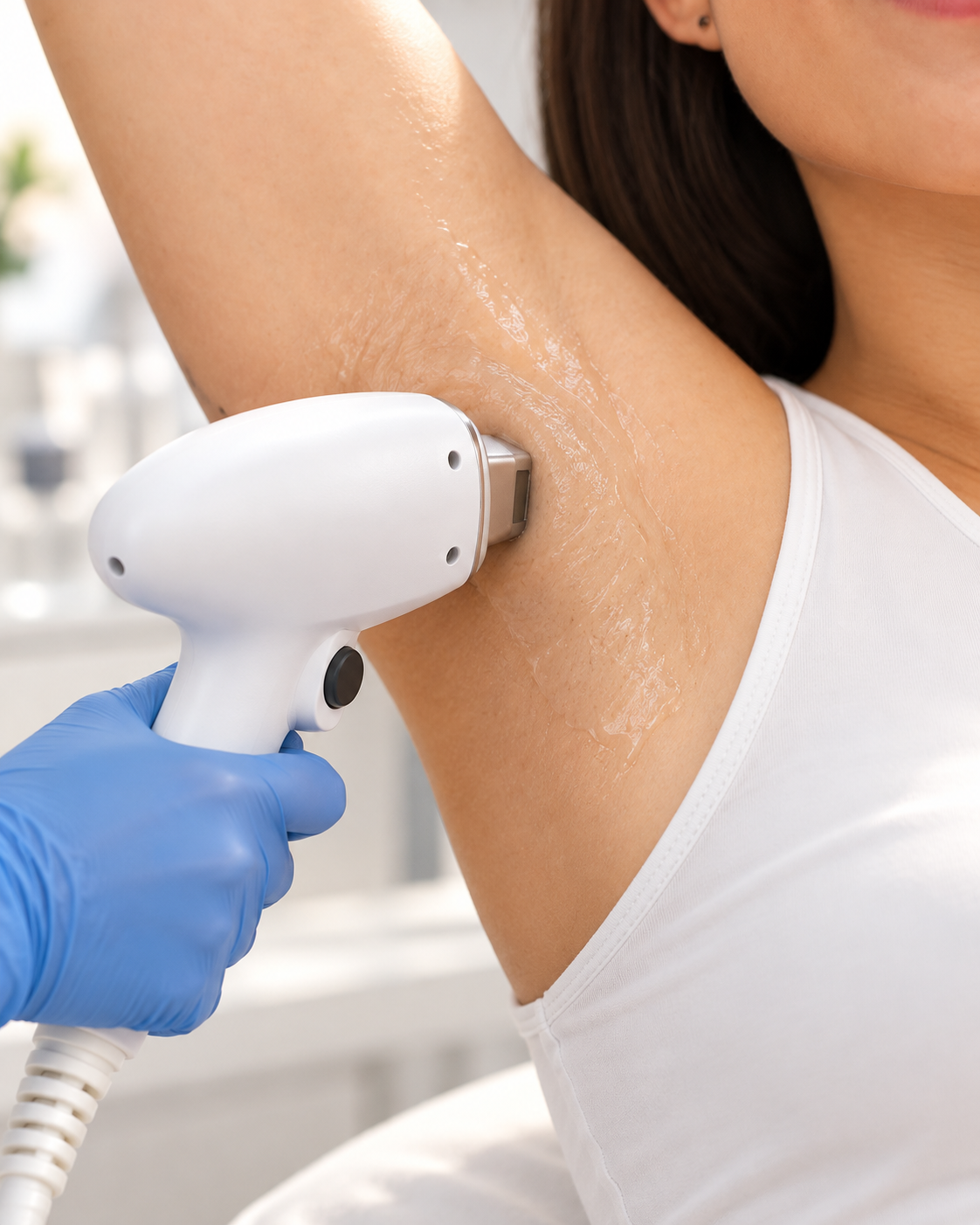
Diode Laser for Underarm Hair
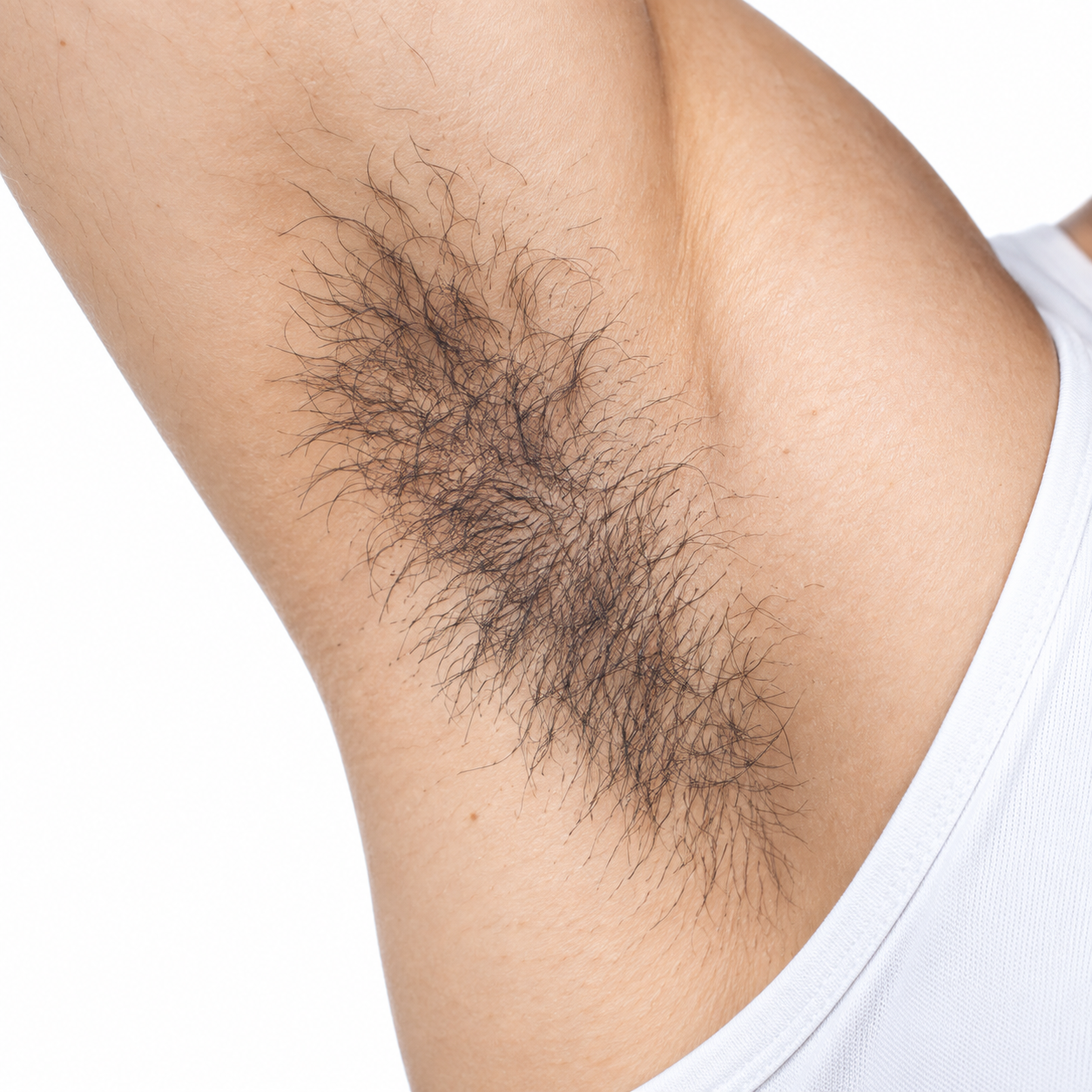
The underarms are one of the most popular areas for laser hair reduction.
Treatment can help reduce:
- Dense underarm hair
- Visible stubble
- Frequent shaving
- Razor irritation
- Ingrown-hair concerns
Because underarm hair is often relatively dark and coarse, it can provide a good pigment target for laser energy.
ARMS, HANDS & FINGERS
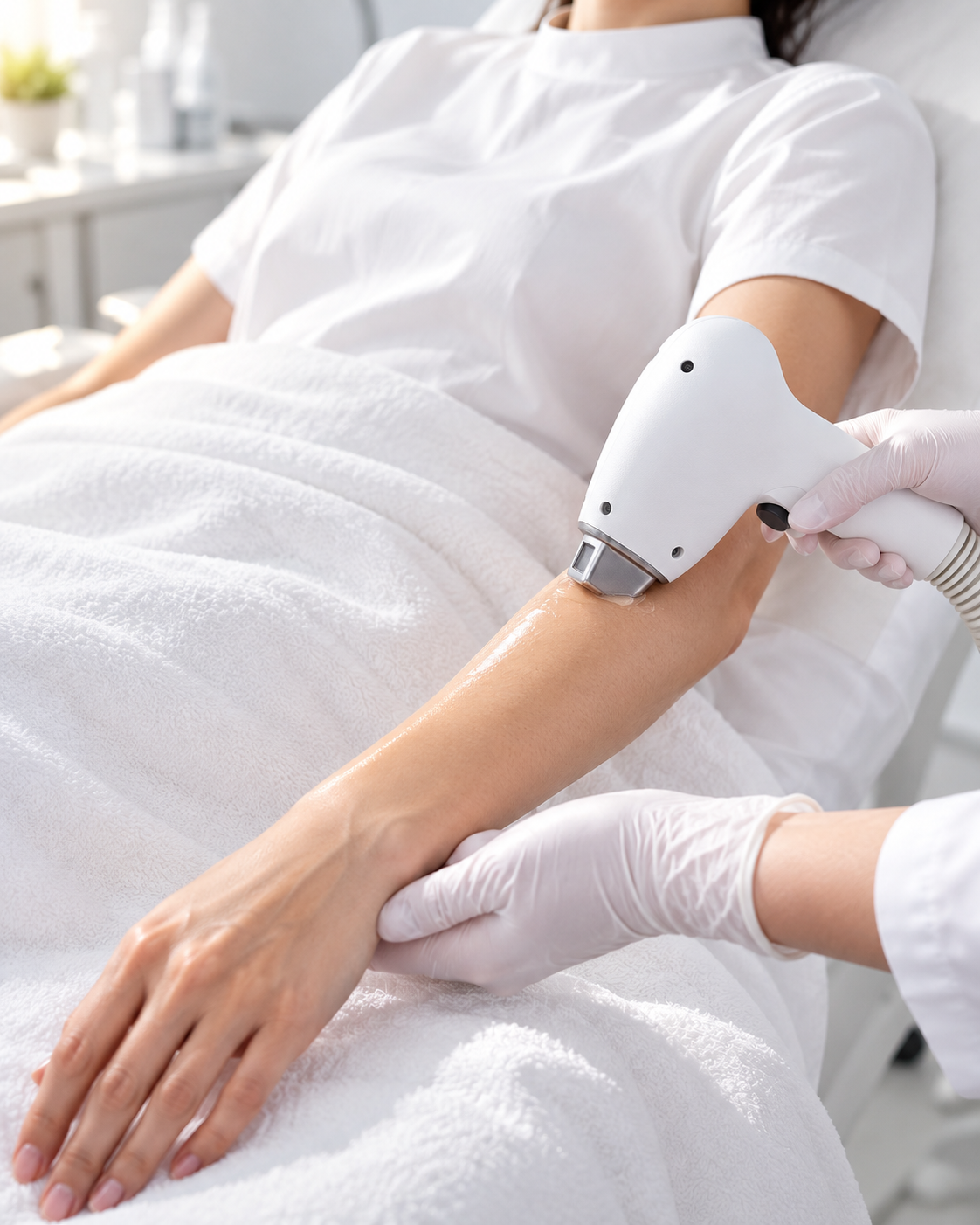
Diode Laser for Arms, Hands & Fingers
For patients who prefer smoother-looking arms, laser treatment can be used across:
- Upper arms
- Forearms
- Full arms
- Hands
- Fingers
Large treatment zones can be combined with smaller areas to create a more consistent transition rather than leaving visible boundaries between treated and untreated hair.
LEGS, FEET & TOES
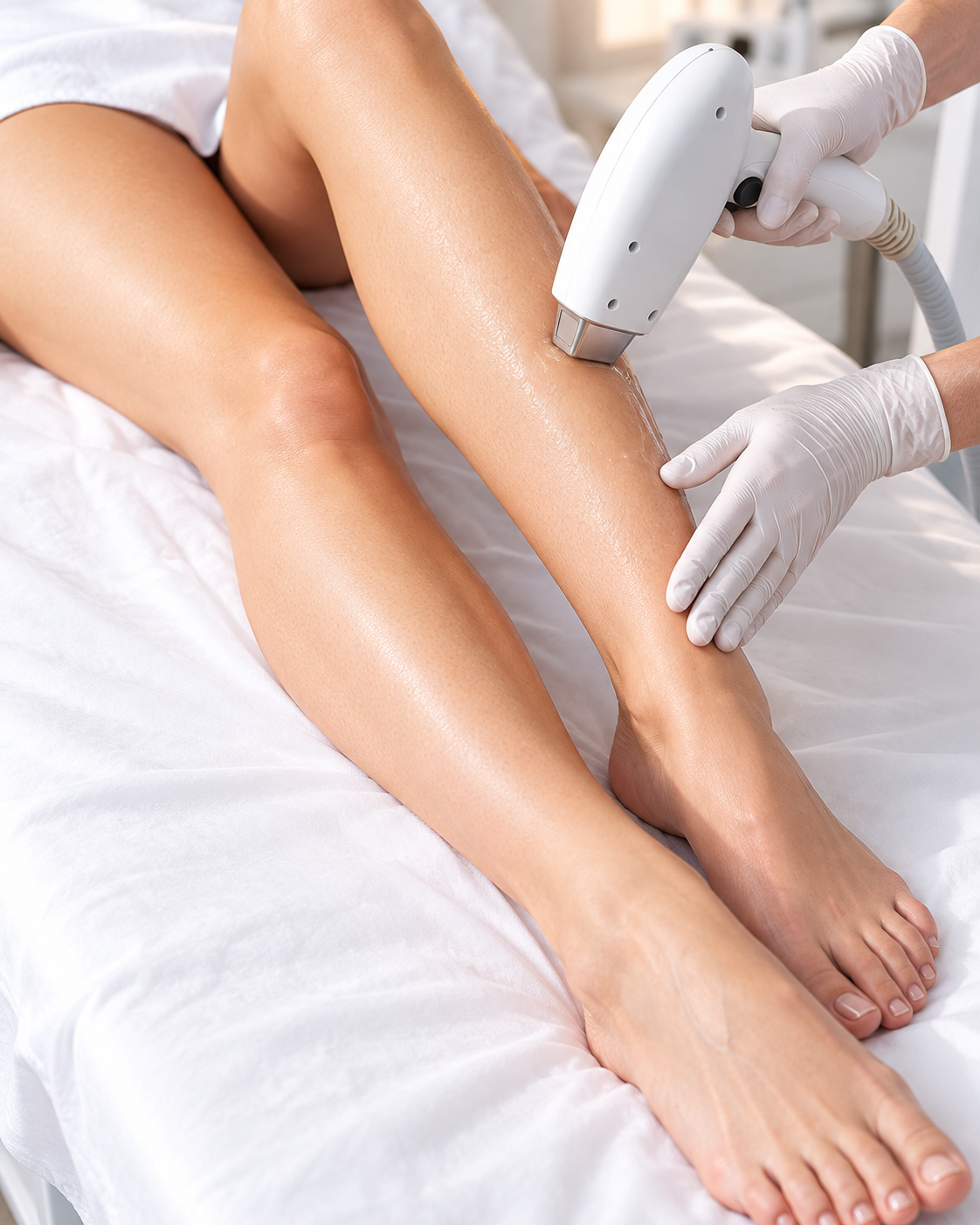
Diode Laser for Legs, Feet & Toes
Frequent shaving of the legs can become a repetitive part of everyday maintenance.
Diode laser treatment may be used on:
- Upper legs
- Lower legs
- Full legs
- Knees
- Feet
- Toes
Large body areas such as the legs are commonly treated with laser hair-removal systems.
BRAZILIAN & BIKINI
Brazilian & Bikini Laser Hair Removal
Laser hair reduction offers an alternative to repeated shaving or waxing in the bikini and intimate area.
Bikini Line
Targets visible hair around the edges of underwear or swimwear.
Brazilian
Provides more extensive reduction across the external pubic / bikini region according to the treatment plan selected.
Potential benefits include:
- Less frequent shaving
- Reduced visible stubble
- Less waxing
- Smoother-looking skin
- Reduced shaving-related irritation
Treatment boundaries should always be discussed clearly before the procedure.
BACK
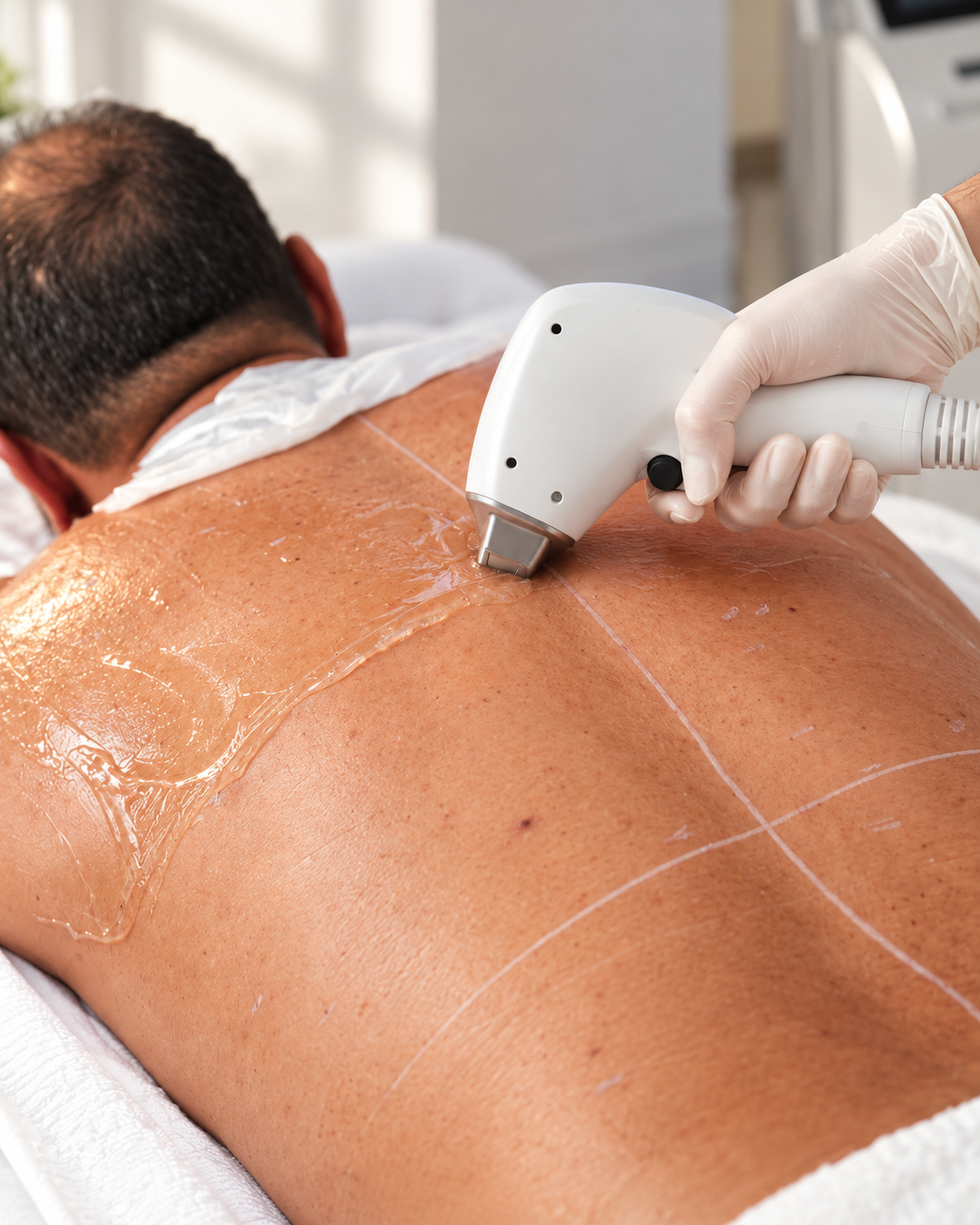
Diode Laser for Back Hair
Back hair can be difficult to shave or maintain without assistance.
Laser treatment is especially convenient for larger areas such as:
- Upper back
- Lower back
- Full back
- Shoulders
For patients with dense back hair, multiple sessions may progressively reduce both hair density and thickness.
CHEST & ABDOMEN
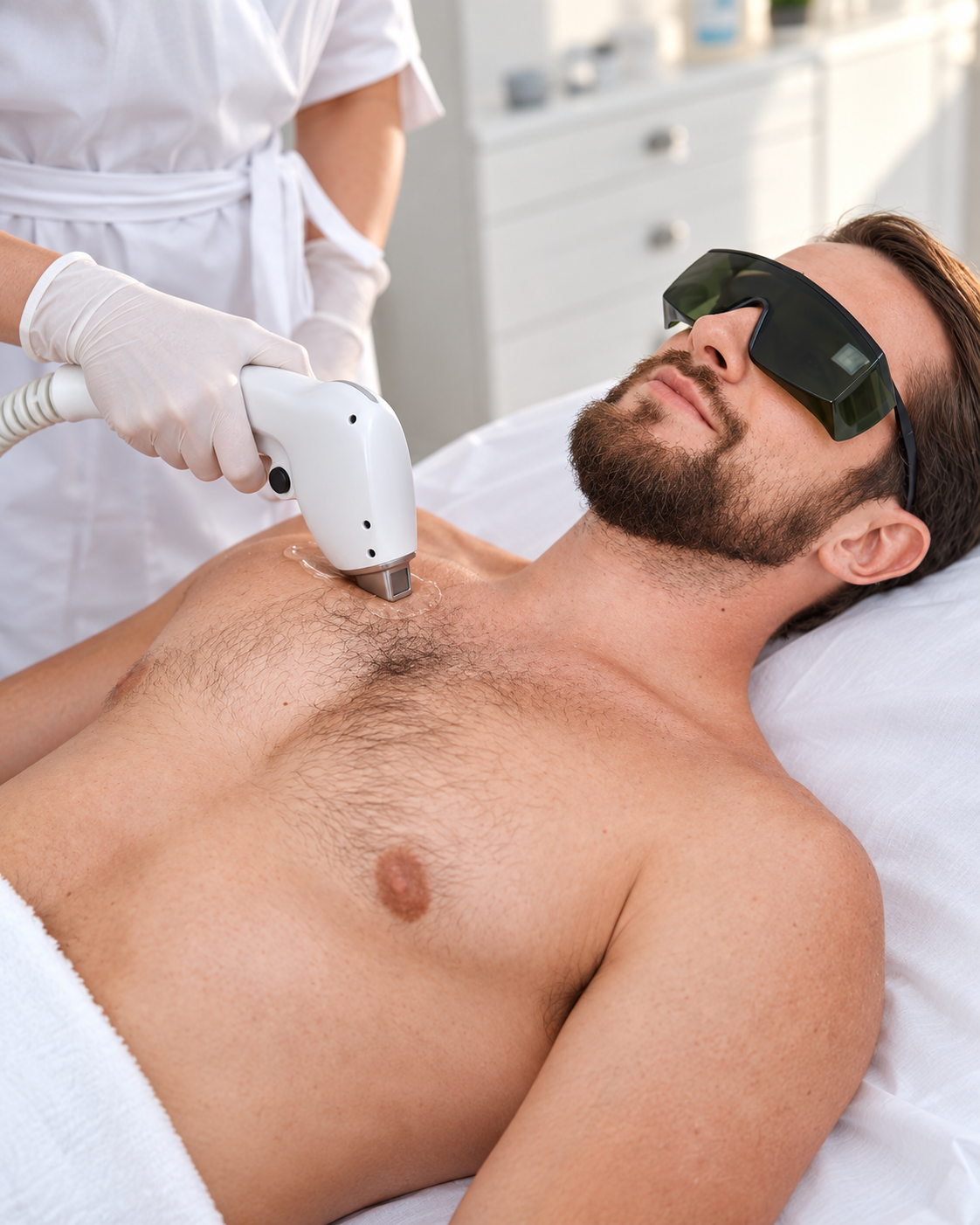
Diode Laser for Chest & Abdomen Hair
Diode laser can be used to reduce unwanted hair across:
- Chest
- Abdomen
- Stomach
- Line below the navel
Treatment can be customized according to whether you want:
Full Hair Reduction
or
Hair Thinning
for a more natural appearance.
This makes laser suitable for patients who want less body hair without necessarily aiming for a completely hair-free result.
RESULTS & TIMELINE
Diode Laser Results:
When Will You See a Difference?
Laser hair reduction is gradual.
After the First Treatment
Some treated hairs may begin to shed over the following days or weeks.
After Several Sessions
You may notice:
- Slower regrowth
- Fewer hairs
- Finer hairs
- Patchier regrowth
- Longer periods between shaving
After Completing a Treatment Course
Hair density may be significantly reduced, although some regrowth can remain and maintenance sessions may be needed.
HOW MANY SESSIONS?
How Many Diode Laser Sessions Do You Need?
Laser hair removal requires multiple treatments because only a proportion of hair follicles
are in the most laser-responsive growth stage at any one time.
A typical initial treatment course may involve approximately:
6+ Sessions
but the exact number can vary significantly.
Your Treatment Plan Depends On:
- Treatment area
- Hair density
- Hair thickness
- Hair color
- Skin tone
- Hair growth cycle
- Hormonal factors
- Previous hair-removal methods
- Individual response
PAIN & DOWNTIME
Is Diode Laser Hair Removal Painful?
Most patients describe laser hair removal as brief sensations of:
- Warmth
- Pinching
- Snapping
- Mild stinging
Treatment comfort varies by:
- Body area
- Hair density
- Laser settings
- Individual sensitivity
- Cooling technology used by the device
Is There Downtime?
Laser hair removal generally requires little interruption to normal activities.
Temporary reactions may include:
- Redness
- Warmth
- Mild swelling around follicles
- Temporary sensitivity
BEFORE TREATMENT
How to Prepare Before Diode Laser Hair Removal
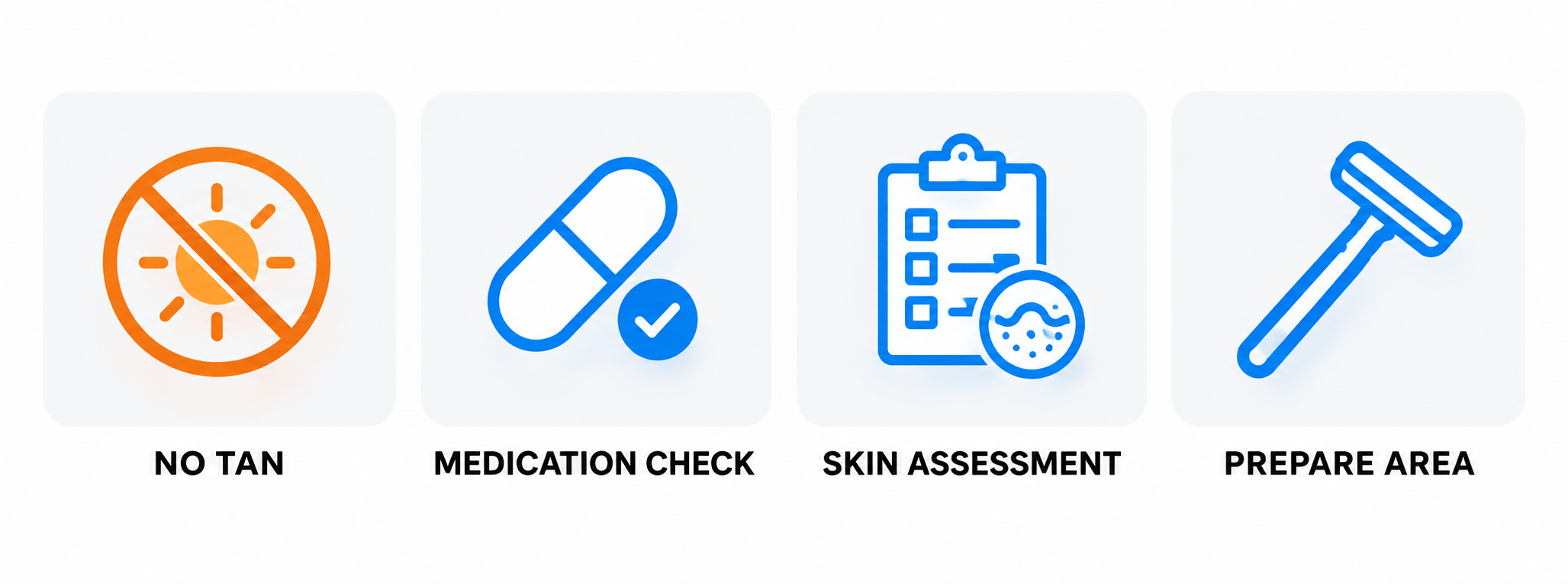
Preparation helps improve treatment safety and effectiveness.
Before your appointment:
Avoid Tanning
Do not intentionally tan before treatment.
Recent tanning increases the amount of pigment in the skin and may increase the risk of laser-related side effects.
Tell Us About Your Medications
Inform your provider about prescription medications, supplements and skincare products.
Some medications can increase sensitivity to light or affect treatment planning.
Tell Us About Your Skin History
Let the medical team know if you:
- Scar easily
- Have a history of keloids
- Have active skin irritation
- Recently tanned
- Have recurrent herpes outbreaks
- Have taken isotretinoin
- Have undergone recent laser procedures
AFTERCARE
Diode Laser Aftercare
After your treatment:
DO
- Keep the area clean and comfortable
- Use gentle skincare
- Protect exposed areas from sunlight
- Apply broad-spectrum SPF when appropriate
- Follow your treatment provider’s instructions
TEMPORARILY AVOID
- Excessive heat
- Sauna / steam room
- Aggressive exfoliation
- Scrubbing the treated area
- Intense sun exposure
- Picking or pulling shedding hairs
Sun protection is especially important following laser treatments to reduce the risk of unwanted pigment changes.