Skin that looks tired, uneven or less firm does not always need filler or a dramatic aesthetic procedure.
MADE COLLAGEN is an injectable mesotherapy-based skin-revitalization program
designed to support skin tone, tissue quality and collagen-related skin structure
through a series of small intradermal injections.
At LIV Clinic, treatment is planned according to your skin condition,
concerns and previous aesthetic history.
Revitalize. Support. Refresh.
MADE COLLAGEN SKIN REVITALIZATION
A Mesotherapy Approach to Skin Quality.
Skin aging is influenced by more than facial volume.
Changes in hydration, collagen, connective-tissue quality and environmental exposure may make the skin appear:
- Dull
- Less firm
- Rougher
- Less refreshed
- More visibly lined
MADE COLLAGEN uses intradermal mesotherapy, delivering small quantities of injectable material directly into selected areas of the skin.
Official GUNA material describes MADE for face revitalization, skin-tone improvement, fine and deeper wrinkles and tissue-tone support, while GUNA-COLLAGEN is described in relation to autologous collagen synthesis, wrinkles and tissue tone.
The Goal?
Not to reshape the face.
But to support the quality and appearance
of the skin itself.
Explore MADE COLLAGEN
- What Is MADE COLLAGEN?
- How Does MADE COLLAGEN Work?
- What Is the 16-Point Injection Technique?
- Who Is MADE COLLAGEN Suitable For?
- What Can MADE COLLAGEN Help Improve?
- MADE COLLAGEN for Dull & Tired-Looking Skin
- MADE COLLAGEN for Fine Lines & Skin Firmness
- Can MADE COLLAGEN Help Acne-Prone Skin?
- When Will You See Results?
- How Many MADE COLLAGEN Sessions Do You Need?
- Is MADE COLLAGEN Painful?
- MADE COLLAGEN vs. Skin Boosters
- How to Prepare Before Treatment
- MADE COLLAGEN Aftercare
- Why Choose MADE COLLAGEN at LIV Clinic?
- Frequently Asked Questions
WHAT IS MADE COLLAGEN?
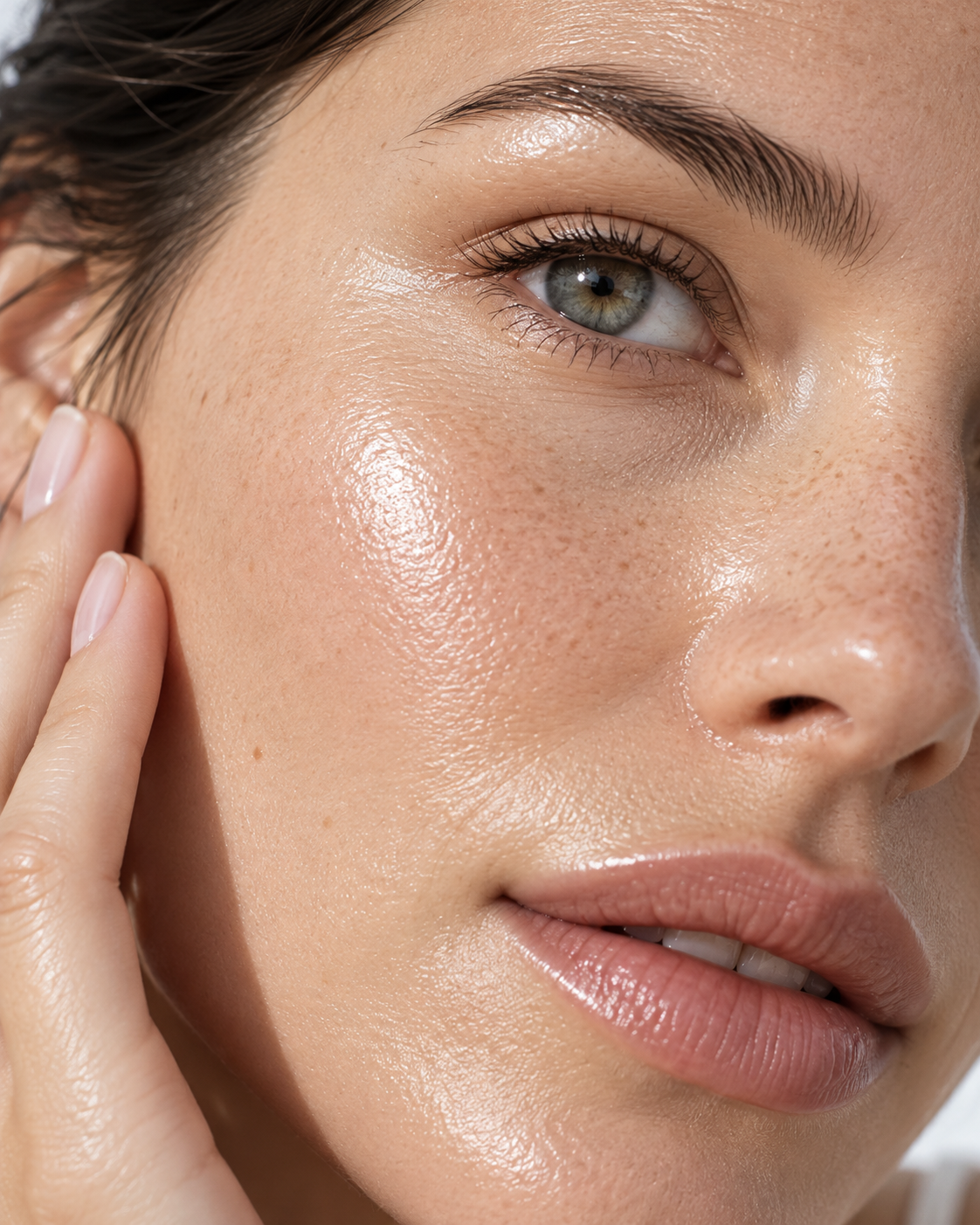
The term “MADE COLLAGEN” is commonly used in aesthetic clinics to describe a mesotherapy program involving MADE® and GUNA-COLLAGEN®, products from Italian manufacturer GUNA.
Official GUNA aesthetic-medicine material lists the two products separately and describes GUNA Collagen + MADE as a commonly used combination.
MADE®
A sterile homeopathic complex injectable formulated with multiple highly diluted components, including:
- Vitamin-related compounds
- Krebs-cycle intermediates
- Mineral compounds
- Biological substrates
- Homeopathic collagen components
It is labeled for mesotherapy / intradermal use.
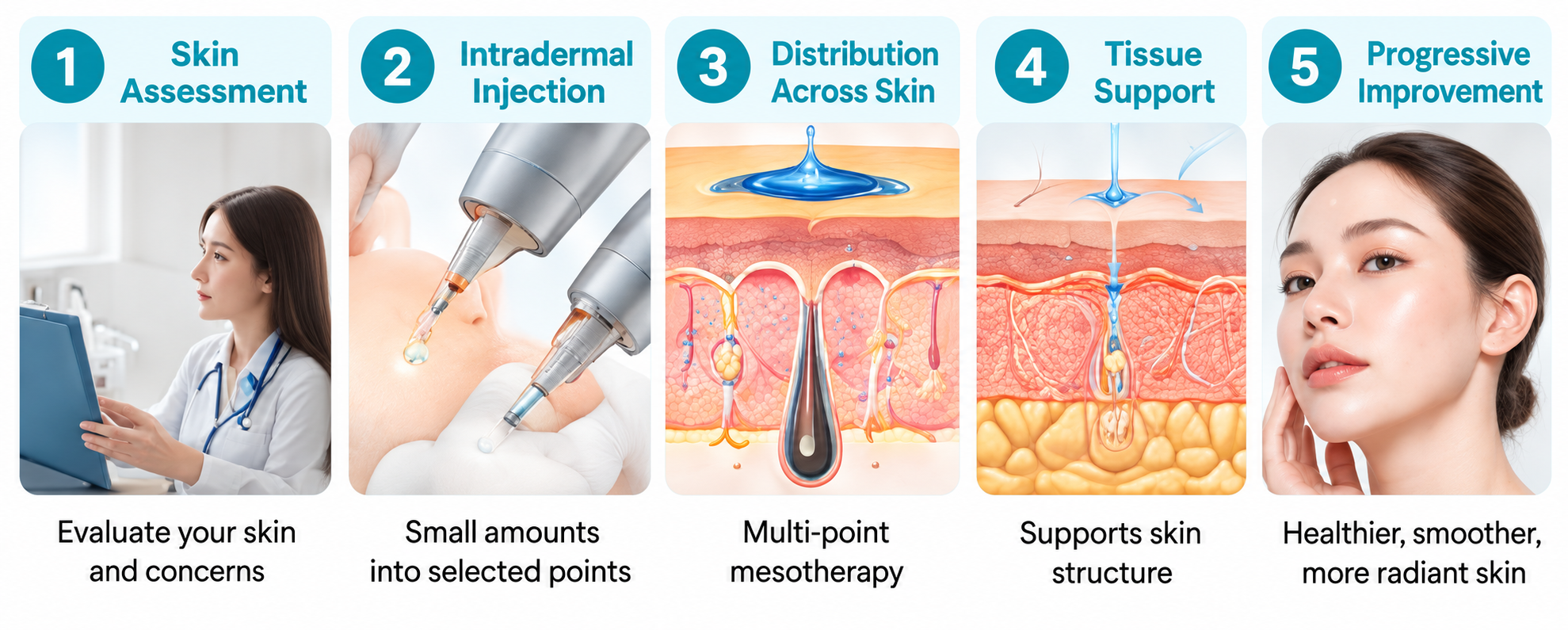
HOW DOES MADE COLLAGEN WORK?
STEP 1 — Skin Assessment
Your skin condition, sensitivity, treatment history and concerns are reviewed.
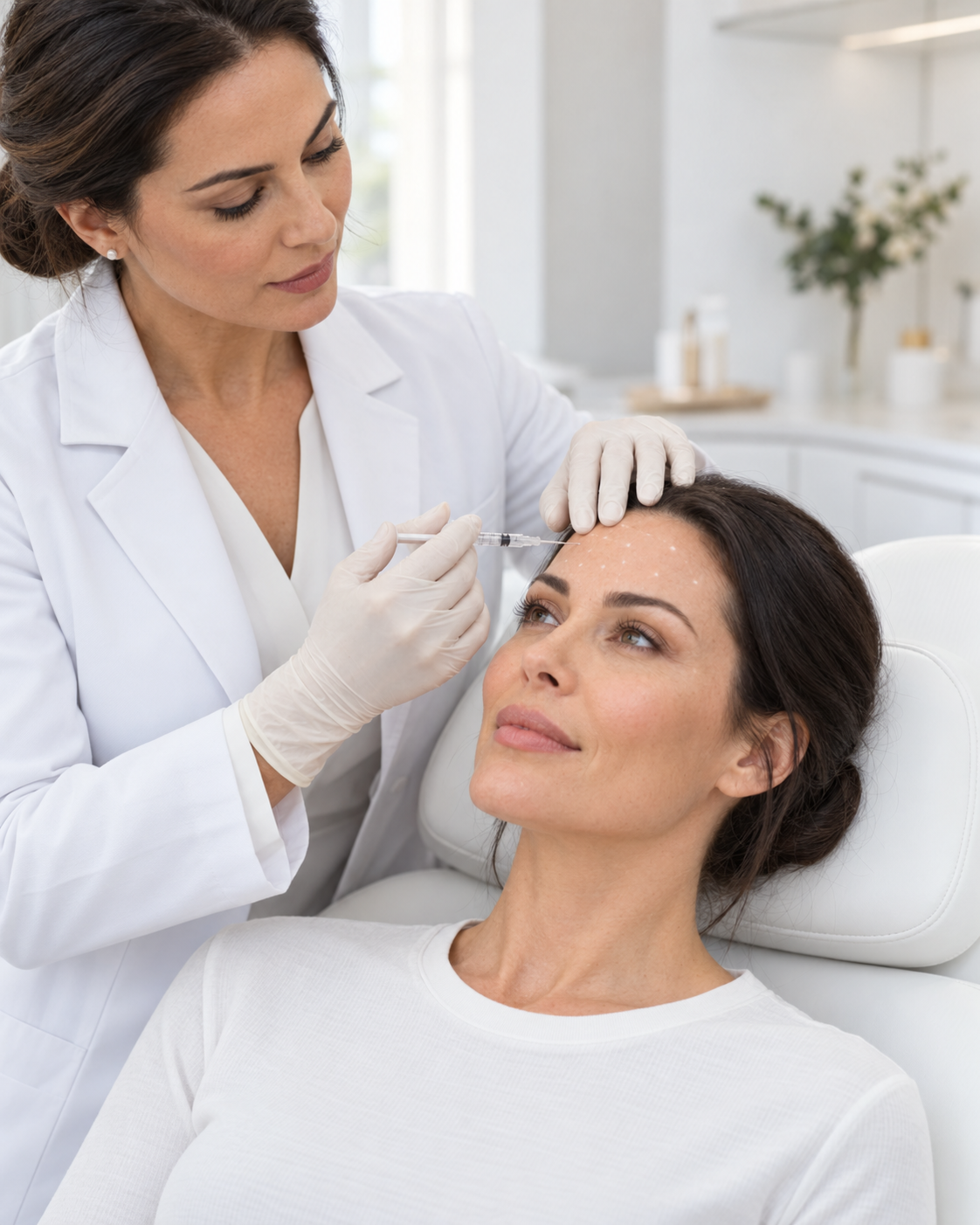
STEP 2 — Intradermal Injection
Small amounts are introduced into selected points within the skin using mesotherapy technique.
STEP 3 — Distributed Skin Treatment
The injection pattern helps distribute treatment across multiple facial zones.
STEP 4 — Progressive Skin Revitalization
The program is intended to support:
- Tissue quality
- Skin tone
- Skin firmness
- Fine-line appearance
- Overall facial revitalization
STEP 5 — Repeated Treatments When Appropriate
MADE is described by its product information
as a course-based treatment rather than a one-time filler effect.
What Is the “16-Point” MADE COLLAGEN Technique?
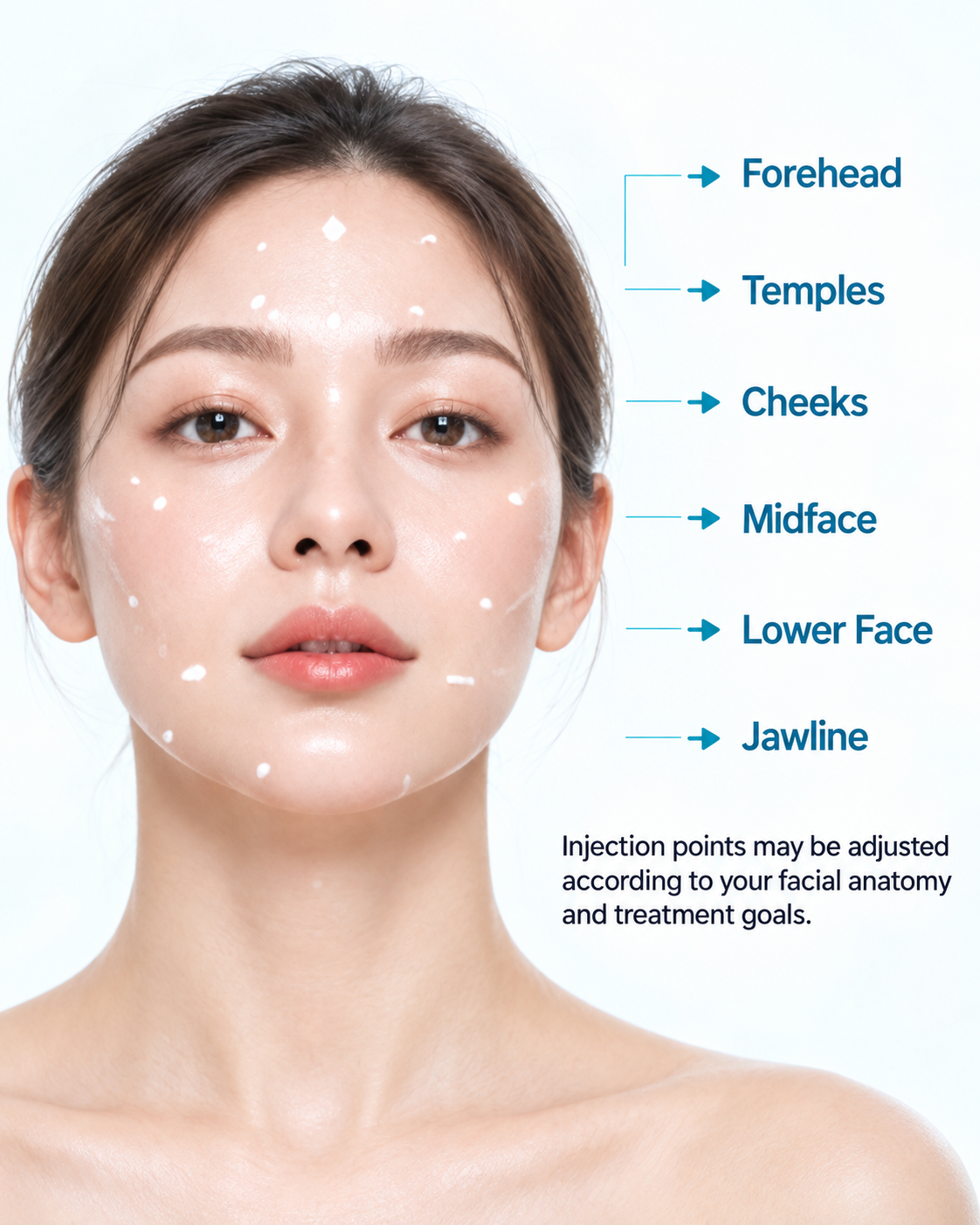
In Thailand, MADE COLLAGEN is often associated with a 16-point facial injection pattern.
The idea is to distribute small intradermal injections across predetermined facial regions rather than concentrating treatment in only one area.
Why Multiple Points?
A distributed technique may allow treatment across:
- Forehead
- Cheeks
- Midface
- Lower face
- Jawline region
WHO IS IT FOR?
Who Is MADE COLLAGEN Suitable For?
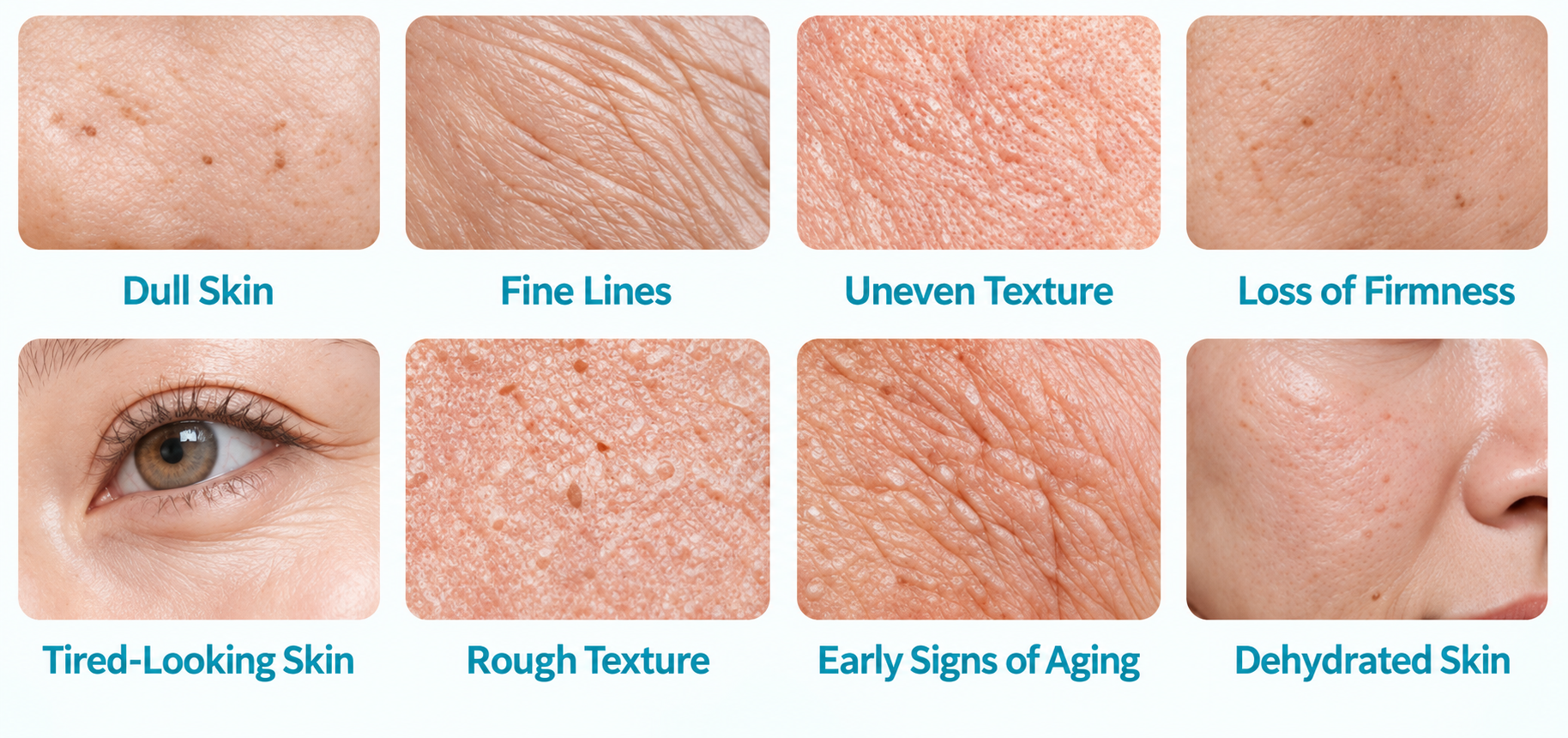
It may be considered for patients concerned about:
- Dull-looking skin
- Tired-looking complexion
- Uneven-looking skin quality
- Fine facial lines
- Reduced firmness
- Reduced tissue tone
- Early signs of skin aging
- Skin that appears less refreshed
It may particularly appeal to patients who want:
Skin Revitalization
rather than
Facial Reshaping or Significant Volume.
What Can MADE COLLAGEN Help Improve?
Skin Tone & Overall Appearance
MADE’s product labeling includes skin-tone improvement and local treatment of skin aging.
Fine-Line Appearance
The manufacturer describes MADE and GUNA-COLLAGEN in protocols related to fine and deeper facial wrinkles.
Tissue Tone
Both products are positioned around connective-tissue and tissue-tone support.
Skin Revitalization
The treatment may help the face appear fresher and more refreshed over a treatment course.
Collagen-Related Skin Support
GUNA-COLLAGEN is specifically positioned by its manufacturer around support of endogenous collagen synthesis.
DULL & TIRED-LOOKING SKIN
MADE COLLAGEN for Dull & Tired-Looking Skin
Skin can look dull for many reasons, including:
- Dehydration
- Uneven surface texture
- Sun exposure
- Lifestyle
- Reduced skin turnover
- Changes associated with aging
MADE COLLAGEN is primarily positioned as a skin-revitalization mesotherapy program, rather than a bleaching or whitening injection.
FINE LINES & FIRMNESS
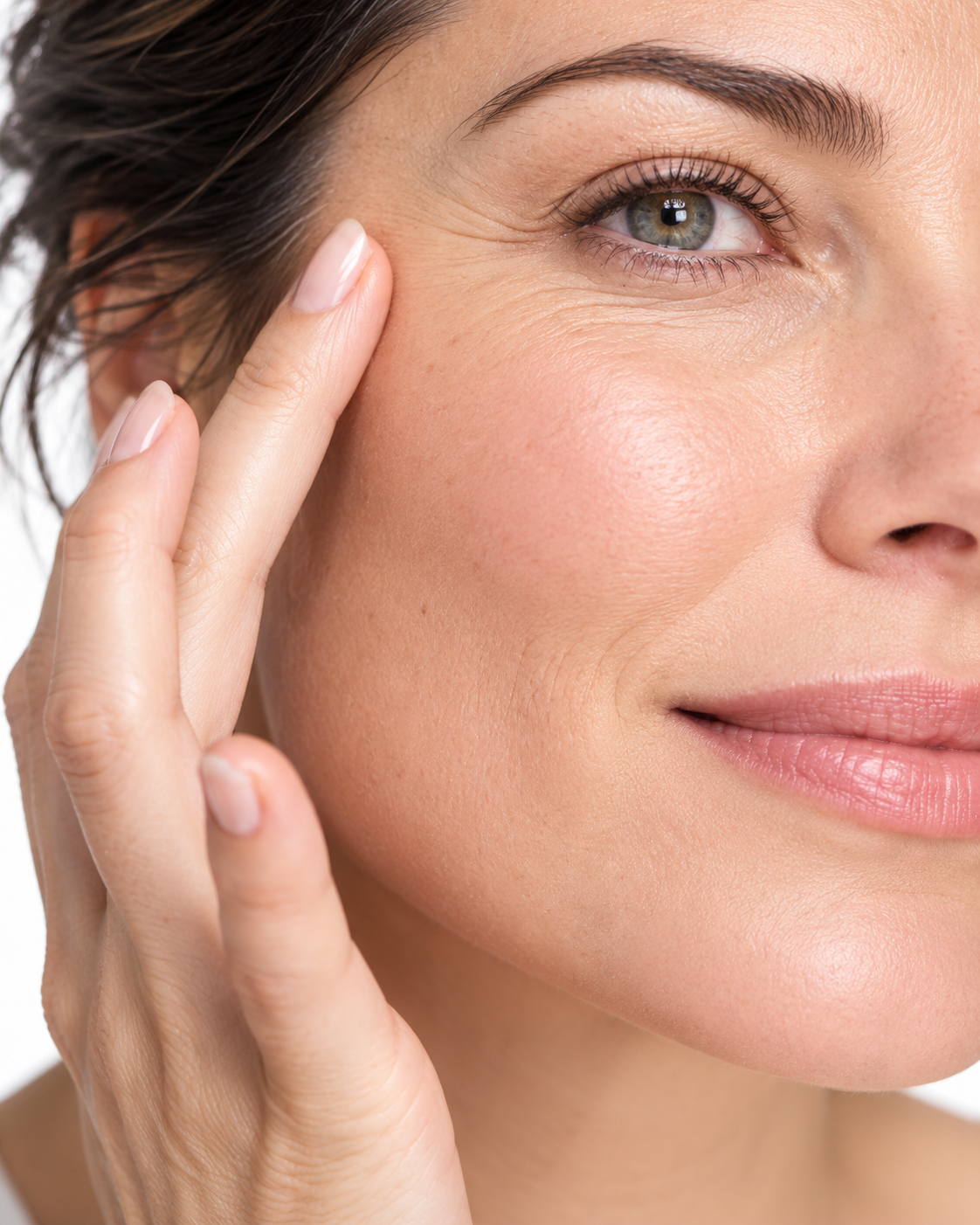
MADE COLLAGEN for Fine Lines & Skin Firmness
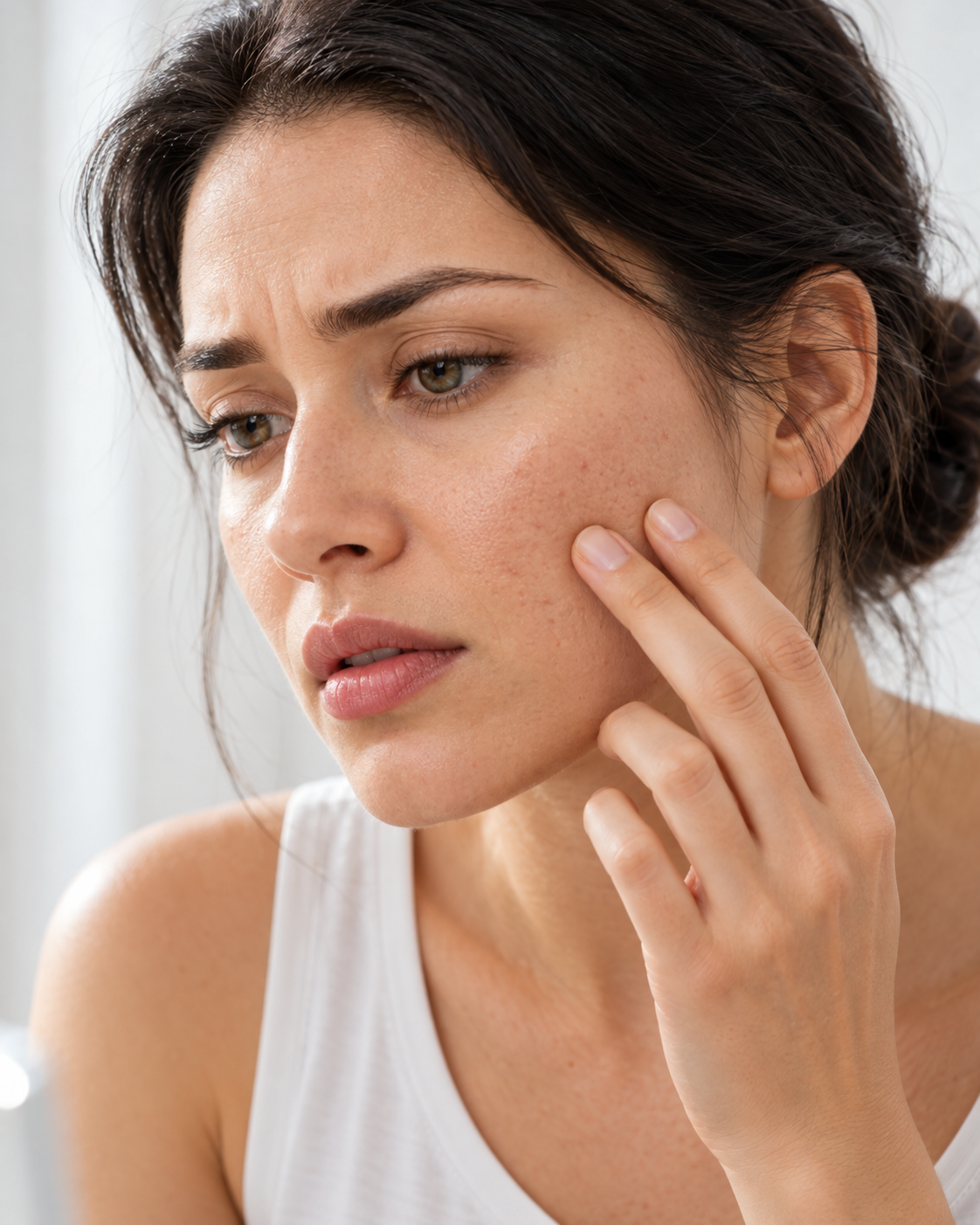
As collagen and connective-tissue quality change with age, fine lines may become more noticeable.
MADE’s official labeling includes:
- Face and neck wrinkles
- Skin aging
- Skin-tone improvement
while GUNA-COLLAGEN is described in relation to:
- Collagen synthesis support
- Tissue tone
- Face revitalization
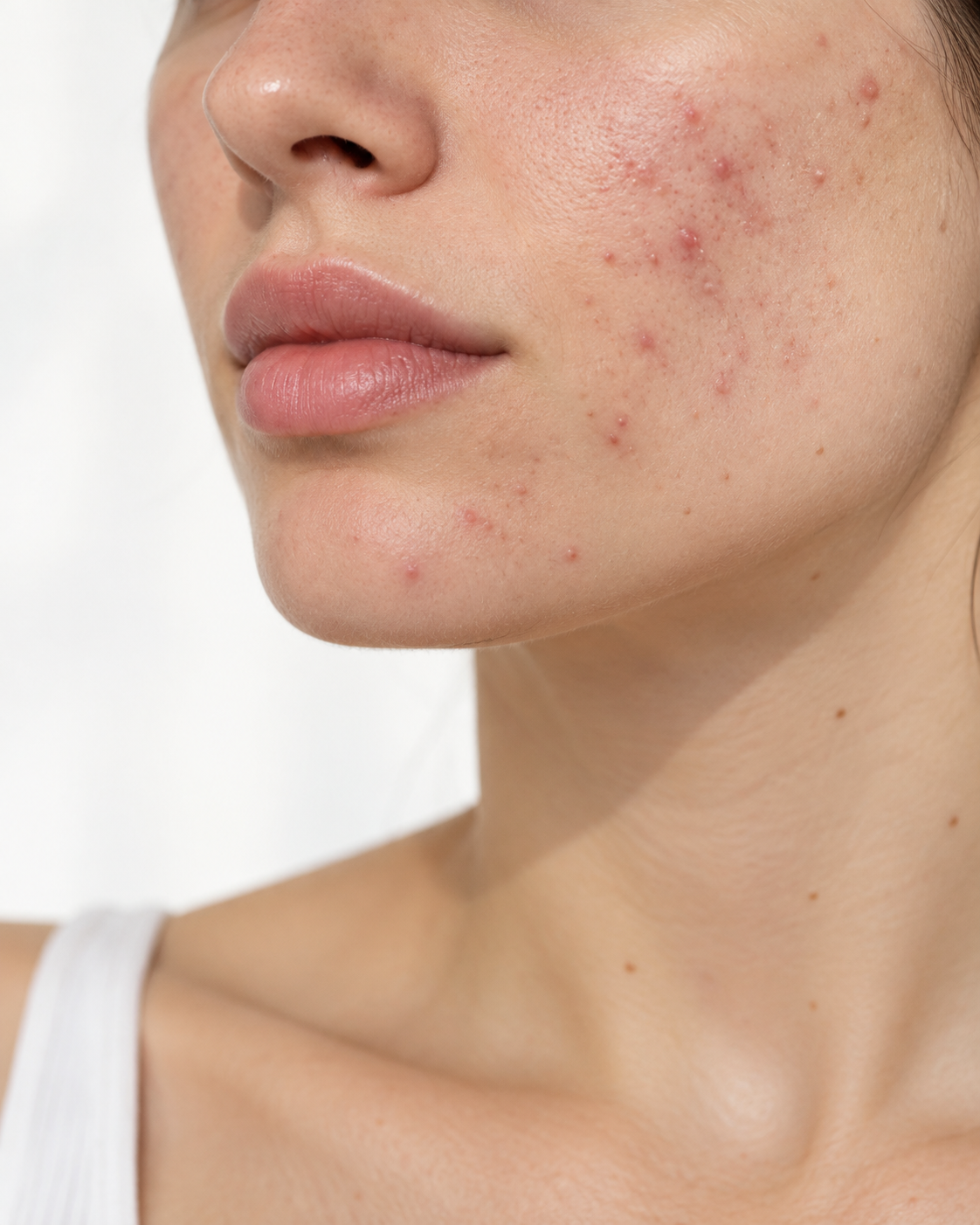
Can MADE COLLAGEN Help Acne-Prone Skin?
MADE COLLAGEN is frequently marketed in Thailand for concerns such as acne, irritation and “skin detox.”
However, these claims should be interpreted carefully.
The official MADE indications available from GUNA and the U.S. product label focus primarily on:
- Skin tone
- Wrinkles
- Skin aging
- Connective-tissue metabolism
rather than acne treatment.
If Acne Is Your Main Concern
A doctor should first determine whether you have:
- Comedonal acne
- Inflammatory acne
- Hormonal acne
- Folliculitis
- Acne scars
- Post-acne pigmentation
because these conditions may require more specific medical or procedural treatment.
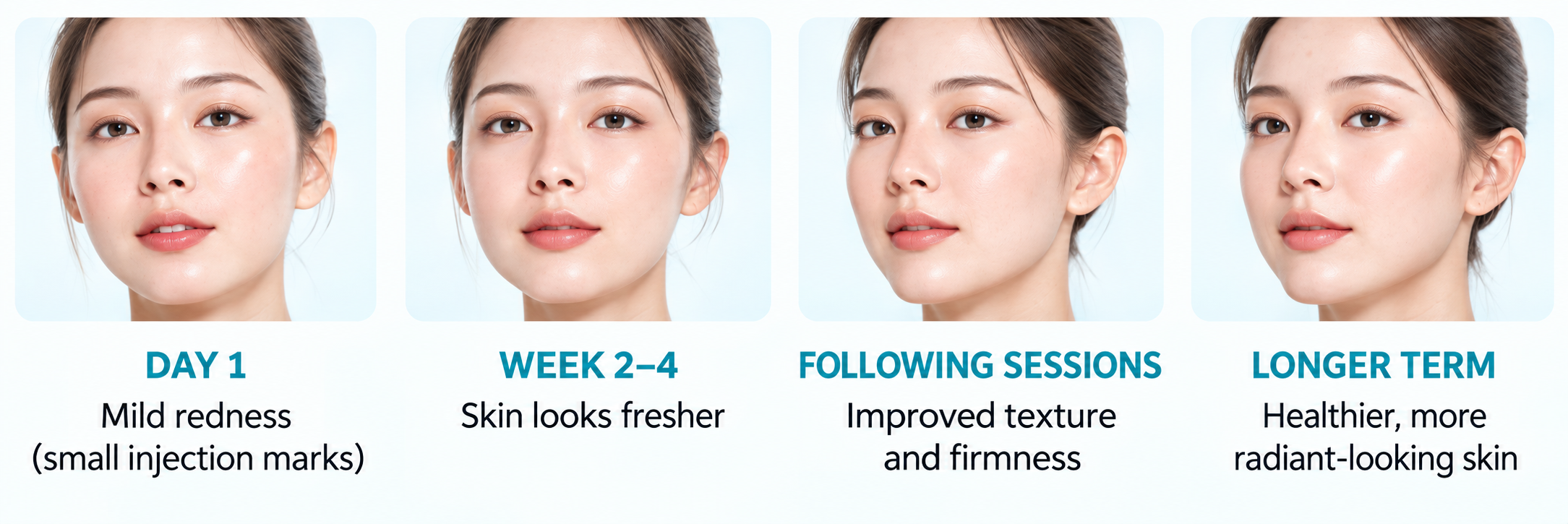
MADE COLLAGEN Results:
When Will You See a Difference?
MADE COLLAGEN should be viewed as a course-based skin-revitalization treatment.
Immediately After Treatment
You may see:
- Small injection marks
- Temporary redness
- Mild swelling
These are injection effects, not the final result.
During a Treatment Course
Changes in:
- Skin freshness
- Fine-line appearance
- Tissue tone
- Overall skin quality
may develop gradually.
After Completing a Course
The appropriate time to assess results depends on your treatment schedule and skin response.
HOW MANY SESSIONS?
How Many MADE COLLAGEN Sessions Do You Need?
The official MADE prescribing information describes mesotherapy treatment as a series rather than a one-time injection.
One listed protocol is approximately:
1 Session Per Week
for 5–7 Weeks
while GUNA’s aesthetic brochure describes courses of approximately 8–10 weekly treatments for certain aesthetic protocols.
This does not mean every patient requires the same schedule.
At LIV Clinic, the treatment course should depend on:
- Skin condition
- Treatment goal
- Previous treatment
- Tolerance
- Product protocol
- Medical assessment
PAIN & DOWNTIME
Is MADE COLLAGEN Painful?
Because the treatment involves multiple intradermal injections, you may experience:
- Pinching
- Stinging
- Pressure
- Temporary sensitivity
What Is the Downtime?
Temporary injection-related effects may include:
- Redness
- Small bumps
- Mild swelling
- Bruising
- Tenderness
Which Is Better?
Neither category is automatically better.
The choice should depend on:
- Skin concern
- Evidence
- Product registration
- Desired result
- Budget
- Treatment history
BEFORE TREATMENT
How to Prepare Before MADE COLLAGEN
Before treatment, tell your doctor about:
- Current medications
- Supplements
- Allergies
- Previous injectable treatments
- Current skin infection or irritation
- Recent laser or aesthetic procedures
- Relevant medical conditions
- Previous reactions to injectable products
AFTERCARE
MADE COLLAGEN Aftercare
DO
- Keep injection sites clean
- Use gentle skincare
- Apply sunscreen
- Follow your doctor’s advice
TEMPORARILY AVOID
- Rubbing injection sites
- Picking small bumps
- Aggressive facial treatments
- Heavy heat exposure if skin feels irritated
- Strong exfoliation
WHY LIV CLINIC?
Why Choose MADE COLLAGEN at LIV Clinic?
Treatment Begins With Assessment.
Not every dull complexion needs injection.
And not every skin problem should be treated with the same mesotherapy formula.
Medical Skin Assessment
We evaluate:
- Skin condition
- Texture
- Fine lines
- Sensitivity
- Previous treatments
Personalized Injection Planning
The number and location of injection points should reflect your individual treatment plan.
Product Verification
Injectable products should come from traceable and appropriate sources.
Realistic Treatment Goals
We focus on improving skin quality and revitalization rather than promising instant whitening, detoxification or a permanent cure for acne.
Alternative Options When Appropriate
If another treatment — such as Rejuran, Juvelook, laser or medical acne care — better matches your concern, it may be recommended instead.
Better Skin Starts With the Right Treatment — Not Just the Popular One.
FAQ
Frequently Asked Questions About MADE COLLAGEN
It commonly refers to a mesotherapy program involving GUNA’s MADE and GUNA-COLLAGEN products.
Partly. MADE contains multiple homeopathic ingredients including diluted collagen components, while GUNA-COLLAGEN is a separate product containing Collagen 6X.
It is better described as a homeopathic mesotherapy injectable rather than a modern HA, PN or PDLLA skin booster.
No. It is not primarily designed to create facial volume or structural projection.
It is a commonly used clinic injection pattern in Thailand. The official MADE labeling describes intradermal mesotherapy but does not require one identical 16-point map for every patient.
“Detox” is commonly used in marketing, but it is not a precise clinical outcome that can be objectively guaranteed. For a medical website, it is better to discuss skin revitalization and tissue quality.
Acne is not among the main indications in the official MADE product information reviewed here. Patients with acne should receive assessment based on acne type and cause.
The label refers to skin-tone improvement, but treatment should not be marketed as changing a person’s natural skin color.
Official protocols describe repeated weekly mesotherapy courses, although the exact LIV Clinic schedule should be individualized.
Temporary redness, bumps, bruising or tenderness can occur.
Multiple small injections can cause temporary stinging or pinching.
They are different. MADE is a homeopathic mesotherapy formulation, while Rejuran is PN-based.
They use very different formulations. Juvelook uses PDLLA + HA and focuses more directly on biostimulation and texture.
Ask the clinic about the product source, packaging, lot information and regulatory status.